
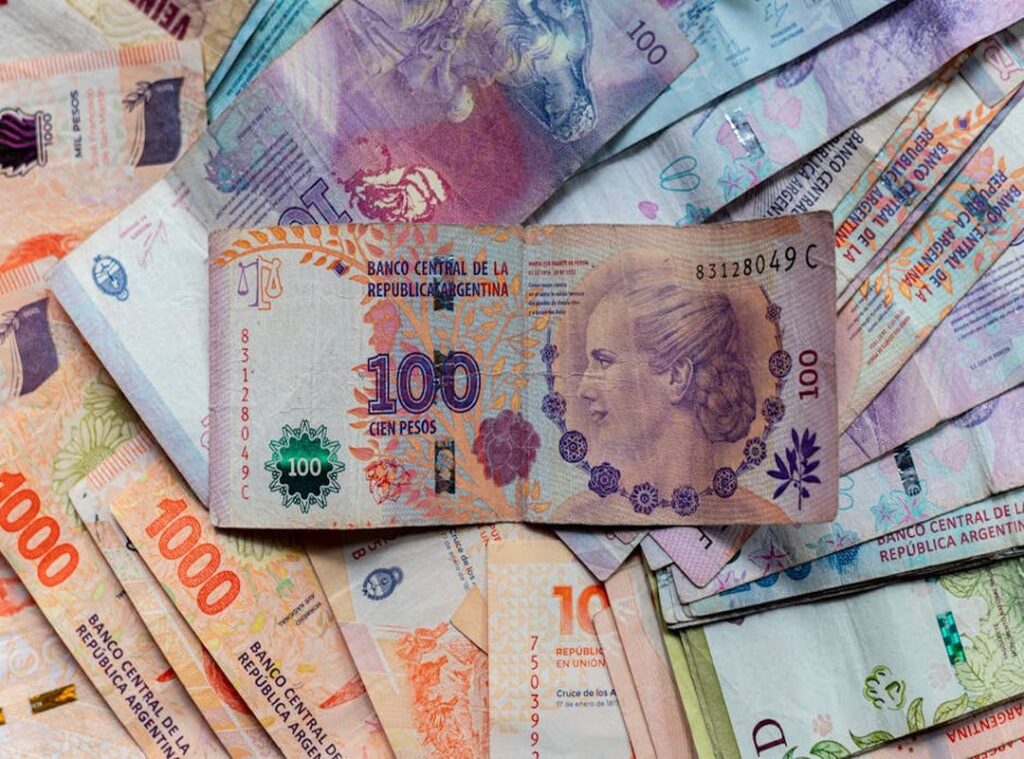
Converting 3500 soles a pesos chilenos can be a bit of a headache, especially if you’re traveling and need to know exactly how much money you’ll have. The exchange rate changes, and it’s not always clear where to get the most accurate information. I’ve been there, and I know how frustrating it can be.
This guide will walk you through the process step-by-step. You’ll get the exact amount and some practical tips to make your conversion as smooth as possible. Let’s dive in.
Understanding the Exchange Rate
The latest exchange rate from PEN to CLP is something you should always check before making any financial moves. It can fluctuate, and those small changes can add up.
Inflation and interest rates play a big role in how the exchange rate moves. When one country has higher inflation, its currency tends to weaken. Interest rates also matter.
Higher rates can attract more foreign investment, which usually strengthens the currency.
You might be wondering why this matters. Well, if you’re planning to convert 3500 soles a pesos chilenos, you want to get the best rate possible. A few points here or there can make a real difference in your pocket.
For the most accurate and up-to-date information, I recommend checking out reliable financial news sites or using a trusted currency converter. They give you real-time data, so you can make informed decisions.
Remember, it’s not just about the numbers. It’s about understanding what’s behind them.
Step-by-Step Conversion Process
Let’s break down how to convert 3500 PEN to CLP. First, you’ll need the current exchange rate. You can find this on financial news sites or by checking with your bank.
Once you have the rate, multiply 3500 by that number. Simple, right?
Now, if you’re not a fan of manual calculations, online conversion tools are a great option. Websites like XE and OANDA are reliable and easy to use. They update their rates frequently, so you get accurate results.
Mobile apps are even more convenient, especially when you’re traveling. Apps like XE Currency and Currency Converter Plus offer real-time rates and offline functionality. This means you can check 3500 soles a pesos chilenos anytime, anywhere.
So, which is better? It depends on your needs. If you prefer quick, no-fuss conversions, go for the online tools.
For on-the-go access, mobile apps are the way to go.
Practical Tips for Travelers
When you’re traveling, one of the last things you want to worry about is money. But it’s a big part of the trip, right? Let’s get into some tips to make your financial life easier.
Best Practices
- Convert Currency Wisely
- Try to convert your currency at home before you leave. Banks and post offices often have better rates than airport kiosks.
- If you need to convert more, do it in major cities where there’s more competition among exchange services.
Avoiding Fees
- Minimize Fees
- Use credit cards that don’t charge foreign transaction fees. They can save you a lot of money.
- Withdraw cash from ATMs using a debit card with low or no international fees. Just be sure to check with your bank first.
- Consider using a prepaid travel card. These can offer good exchange rates and avoid the hassle of carrying large amounts of cash.
Safety Measures
- Keep Your Money Safe
- Use a secure wallet or money belt to keep your cash and cards safe. Pickpockets are everywhere, and they’re good at what they do.
- Avoid carrying large amounts of cash. It’s better to carry smaller amounts and use cards when possible.
- Split your money and cards between different places. If one gets lost or stolen, you still have access to the other.
Additional Tips
- Be Prepared for Unexpected Expenses
- Always have a bit of local currency on hand for small purchases or emergencies. For example, 3500 soles a pesos chilenos can be useful if you need to buy something quickly.
- Keep a backup credit card in a separate place from your main one. This way, if you lose your wallet, you still have a way to pay.
Final Thoughts
Traveling should be fun, not stressful. By following these tips, you can focus more on enjoying your trip and less on worrying about your finances. And hey, if you’re also into gaming, (which, let’s face it, many of us are), check out this guide for some insights on wired vs wireless controllers pros and cons explained 2.
Using ATMs and Credit Cards in Chile

ATM Withdrawals
When you’re in Chile, using ATMs to get Chilean Pesos (CLP) is pretty straightforward. Just find an ATM, insert your card, and follow the on-screen instructions.
The fees can add up, though. Most banks charge a foreign transaction fee, and the ATM itself might have a surcharge. It’s a good idea to check with your bank before you go.
Some banks offer better rates or even waive fees for international withdrawals.
Credit Card Usage
Using credit cards in Chile is generally safe and convenient. Many places, especially in cities, accept major credit cards like Visa and Mastercard.
But here’s a pitfall: some smaller businesses and rural areas might only take cash. Always have some CLP on hand just in case. Also, be aware of dynamic currency conversion.
Some merchants might offer to convert the price to your home currency, but this often comes with a poor exchange rate and extra fees.
Currency Exchange at Airports and Hotels
Exchanging money at airports and hotels is easy, but it’s not the most cost-effective option. The rates are usually less favorable, and they might tack on additional fees.
For a better deal, consider using ATMs or going to a reputable currency exchange office in the city. You’ll likely the rates and the convenience.
If you need to exchange a specific amount, say 3500 soles a pesos chilenos, make sure to compare the rates and fees at different places. A little research can save you a lot of money.
In summary, while ATMs and credit cards are convenient, always be mindful of the fees and exchange rates. A bit of planning can go a long way in making your trip to Chile more budget-friendly.
Common Scams and How to Avoid Them
Scam Awareness: Highlight common scams related to currency exchange and how to recognize them.
Preventive Measures: Offer practical tips to avoid falling victim to scams, such as using reputable financial institutions and being cautious of unsolicited offers.
When it comes to currency exchange, you’d think the scammers would be a bit more creative. But no, they stick to the same old tricks. You need to know what to look for.
- Fake Websites: These look legit but are designed to steal your personal and financial information. Always check the URL and look for HTTPS.
- Phishing Emails: They’ll pretend to be from a bank or financial service. Don’t click on any links. Instead, go directly to the official website.
- Unsolicited Offers: If someone contacts you out of the blue with an amazing deal, be skeptical. Especially if they ask for upfront fees.
Now, here’s where I disagree with some common advice. A lot of people say, “Just use big banks and you’ll be fine.” Sure, big banks have their perks, but they’re not immune to issues. Plus, their fees can be sky-high.
Instead, I recommend using reputable online platforms. They often have better rates and lower fees. Just make sure to do your research.
Check reviews and see if they’re registered with financial authorities.
Another thing. People often assume that if an offer sounds too good to be true, it is. But sometimes, there are legitimate deals out there.
(I mean, 3500 soles a pesos chilenos might sound like a lot, but it’s just a regular conversion rate.)
The key is to verify everything. Don’t take anything at face value. Call the company, ask questions, and double-check the details.
Lastly, always keep an eye on your accounts. Regularly review your statements and set up alerts for any unusual activity. This way, you can catch anything suspicious early.
Stay vigilant, and don’t let the scammers get the best of you.
Successfully Converting 3500 Soles to Chilean Pesos
When converting 3500 soles a pesos chilenos, it’s crucial to use reliable methods to ensure accuracy and security. Always check the current exchange rate and compare it with what financial institutions or online platforms offer.
Utilize official bank services, reputable currency exchange offices, or trusted online converters. These steps help in avoiding scams and unfavorable rates.
Stay informed about the latest exchange trends and use the resources mentioned for a seamless and secure conversion process. This can make your travel experience more enjoyable and financially sound.
 gg_jaguar is the kind of writer who genuinely cannot publish something without checking it twice. Maybe three times. They came to multiplayer strategy sessions through years of hands-on work rather than theory, which means the things they writes about — Multiplayer Strategy Sessions, Trend Tracker, Controller and Hardware Setup Tips, among other areas — are things they has actually tested, questioned, and revised opinions on more than once.
That shows in the work. gg_jaguar's pieces tend to go a level deeper than most. Not in a way that becomes unreadable, but in a way that makes you realize you'd been missing something important. They has a habit of finding the detail that everybody else glosses over and making it the center of the story — which sounds simple, but takes a rare combination of curiosity and patience to pull off consistently. The writing never feels rushed. It feels like someone who sat with the subject long enough to actually understand it.
Outside of specific topics, what gg_jaguar cares about most is whether the reader walks away with something useful. Not impressed. Not entertained. Useful. That's a harder bar to clear than it sounds, and they clears it more often than not — which is why readers tend to remember gg_jaguar's articles long after they've forgotten the headline.
gg_jaguar is the kind of writer who genuinely cannot publish something without checking it twice. Maybe three times. They came to multiplayer strategy sessions through years of hands-on work rather than theory, which means the things they writes about — Multiplayer Strategy Sessions, Trend Tracker, Controller and Hardware Setup Tips, among other areas — are things they has actually tested, questioned, and revised opinions on more than once.
That shows in the work. gg_jaguar's pieces tend to go a level deeper than most. Not in a way that becomes unreadable, but in a way that makes you realize you'd been missing something important. They has a habit of finding the detail that everybody else glosses over and making it the center of the story — which sounds simple, but takes a rare combination of curiosity and patience to pull off consistently. The writing never feels rushed. It feels like someone who sat with the subject long enough to actually understand it.
Outside of specific topics, what gg_jaguar cares about most is whether the reader walks away with something useful. Not impressed. Not entertained. Useful. That's a harder bar to clear than it sounds, and they clears it more often than not — which is why readers tend to remember gg_jaguar's articles long after they've forgotten the headline.