
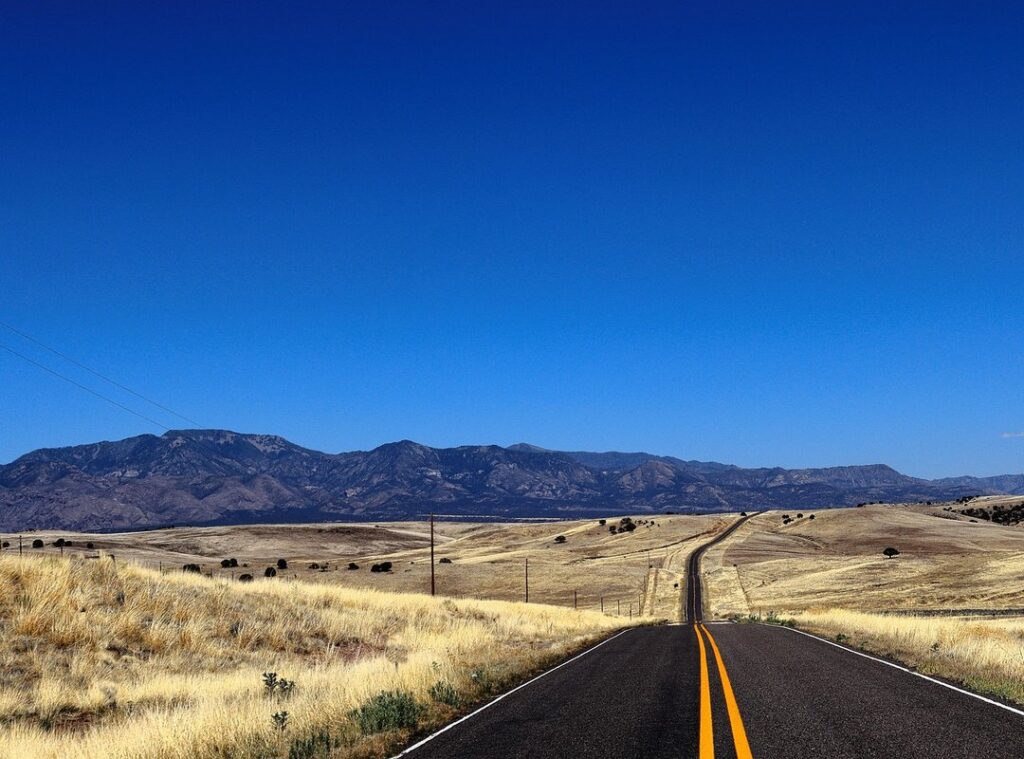
Highways. They’re more than just roads, right? They symbolize journey, freedom, and the pulse of modern life.
But let’s be real, how often do we stop to appreciate their beauty? This article is here to change that. I’m going to guide you on how to capture the dynamic energy of a highway scene in your art. lukisan pemandangan di sebuah jalan raya can be a fantastic challenge for artists.
It pushes you to master perspective, motion, and light. By the end of this, you’ll have a clear roadmap for creating your own compelling highway landscape painting. Trust me, it’s worth the effort.
Why Paint a Highway? Finding Beauty in Everyday Infrastructure
Highways might seem like the last thing you’d want to paint. But there’s more to them than meets the eye. Let’s dive into why they can be such a compelling subject.
First off, highways offer powerful leading lines. These lines draw the viewer’s eye into the scene, creating a sense of movement and direction. It’s almost like the road is inviting you to travel with it.
One-point and two-point perspective come into play here. The way the road narrows in the distance creates a profound sense of depth and scale. It’s like you’re standing right there, feeling the vastness of the landscape.
The interplay between man-made structures and the natural landscape is fascinating. Asphalt, signs, and cars meet the sky, trees, and hills. This contrast makes for a unique compositional challenge.
It’s about finding balance and harmony in a setting that’s often seen as chaotic.
Highways can evoke different moods. An empty desert road can feel lonely and isolated. A city freeway at night, on the other hand, buzzes with vibrant energy.
Each scene tells a different story.
Painting a highway challenges an artist to find and express beauty in the mundane. It’s not just about the road; it’s about the journey and the emotions it stirs. (And let’s be honest, sometimes it’s just about the sheer joy of painting something unexpected.)
Lukisan pemandangan di sebuah jalan raya can transform the ordinary into the extraordinary. It’s about seeing the world through a new lens and finding the art in everyday infrastructure.
Essential Techniques for a Dynamic Road Scene Painting
Painting a dynamic road scene can be a lot of fun, but it takes some know-how to get it right. Let’s break it down step by step.
First, establish strong perspective. Set your vanishing point on the horizon where all the lines converge. This makes the road recede realistically.
Underline this: The vanishing point is key. It guides the viewer’s eye and creates depth.
Next, paint movement. Use blurred edges for moving vehicles and long, sweeping brushstrokes in the sky. This gives the illusion of motion and adds energy to your painting.
Now, let’s talk color theory. Use atmospheric perspective—cooler, lighter colors in the distance—to enhance the feeling of depth. This technique makes the faraway parts of your lukisan pemandangan di sebuah jalan raya look more distant and real.
For realistic textures, focus on the rough surface of asphalt, the reflective sheen on cars, and the glow of headlights or streetlights. Vary your brush strokes and use different tools like sponges or palette knives to create these effects.
Pro tip: Mix a bit of white paint with your colors to add highlights and make surfaces look shiny.
Finally, use light and shadow to define the time of day and create drama. Long shadows during a sunset or the harsh light of midday can transform your painting.
Think about the direction of the light source and how it interacts with the objects in your scene. This will bring your road scene to life.
Masters of the Road: Inspiring Examples of Highway Art
When it comes to lukisan pemandangan di sebuah jalan raya, artists have a unique way of capturing the essence of the open road. Let’s dive into a few examples that stand out. learn more
Edward Hopper’s “Highway and Byways” is a classic. Hopper uses a realistic style, focusing on the isolation and stillness of the highway. The composition is simple yet powerful, with the road stretching into the distance, flanked by empty fields.
The colors are muted, adding to the sense of solitude.
In contrast, Claude Monet’s “The Road to Giverny” takes an impressionistic approach. Monet captures the fleeting light and movement of the road. The brushstrokes are loose and vibrant, creating a dynamic, almost dreamlike quality.
The focus here is on the interplay of light and color, making the scene feel alive and in motion.
Then there’s David Hockney’s “A Bigger Grand Canyon”. While not strictly a highway painting, it shows how Hockney uses geometric shapes and bold colors to create a sense of depth and space. The road winds through the landscape, becoming a central element that guides the viewer’s eye.
Hockney’s use of bright, contrasting colors adds a modern, energetic feel to the scene.
Each artist handles details like road signs, barriers, and the surrounding environment differently. Hopper includes them as part of the desolate landscape, while Monet blends them into the overall impression of the scene. Hockney, on the other hand, uses them to add structure and rhythm to his composition.
Take a moment to study these examples. Notice how each artist interprets the same subject matter in their own unique way. It’s a great exercise to see how different styles and techniques can transform a simple highway into a compelling work of art.
Avoiding Common Pitfalls: How to Troubleshoot Your Painting
I once spent hours on a lukisan pemandangan di sebuah jalan raya, only to step back and see it looked, well, flat. Frustrating, right? A strong vanishing point and consistent perspective can make all the difference.
Think about where your viewer’s eye should go. If you’re not sure, take a photo of your painting and draw lines to find the vanishing point. It’s a simple trick but works wonders.
Ever painted a car that looks like a toy? Me too. The key is to shrink objects as they move into the distance.
It’s all about scale.
Composition can be a killer. A boring composition can ruin an otherwise great painting. Try using an S-curve for the road or placing the focal point off-center.
It adds movement and interest.
Muddy colors are another common issue. Use a limited color palette and keep light and shadow colors separate. It keeps your colors clean and vibrant.
Finally, focus on the quality of light. It’s often the most important element for creating mood. Think about the time of day and how the light interacts with your scene.
It can transform a good painting into a great one.
Your Journey into Highway Painting Starts Now
Highways are a powerful artistic subject, and mastering perspective and light is crucial. Practice is essential to bring out the best in your artwork. The goal is not just to paint a road, but to capture the feeling and story associated with it.
lukisan pemandangan di sebuah jalan raya can be both challenging and rewarding. This week, find a photo of an interesting road and create a simple 15-minute sketch focusing only on the main lines of perspective.
Every complex painting begins with a single line, just as every long journey begins with a single mile. Pick up your brush and start your artistic journey today.
 bearglacier is the kind of writer who genuinely cannot publish something without checking it twice. Maybe three times. They came to multiplayer strategy sessions through years of hands-on work rather than theory, which means the things they writes about — Multiplayer Strategy Sessions, Insightful Reads, Undergrowth Indie Game Showcases, among other areas — are things they has actually tested, questioned, and revised opinions on more than once.
That shows in the work. bearglacier's pieces tend to go a level deeper than most. Not in a way that becomes unreadable, but in a way that makes you realize you'd been missing something important. They has a habit of finding the detail that everybody else glosses over and making it the center of the story — which sounds simple, but takes a rare combination of curiosity and patience to pull off consistently. The writing never feels rushed. It feels like someone who sat with the subject long enough to actually understand it.
Outside of specific topics, what bearglacier cares about most is whether the reader walks away with something useful. Not impressed. Not entertained. Useful. That's a harder bar to clear than it sounds, and they clears it more often than not — which is why readers tend to remember bearglacier's articles long after they've forgotten the headline.
bearglacier is the kind of writer who genuinely cannot publish something without checking it twice. Maybe three times. They came to multiplayer strategy sessions through years of hands-on work rather than theory, which means the things they writes about — Multiplayer Strategy Sessions, Insightful Reads, Undergrowth Indie Game Showcases, among other areas — are things they has actually tested, questioned, and revised opinions on more than once.
That shows in the work. bearglacier's pieces tend to go a level deeper than most. Not in a way that becomes unreadable, but in a way that makes you realize you'd been missing something important. They has a habit of finding the detail that everybody else glosses over and making it the center of the story — which sounds simple, but takes a rare combination of curiosity and patience to pull off consistently. The writing never feels rushed. It feels like someone who sat with the subject long enough to actually understand it.
Outside of specific topics, what bearglacier cares about most is whether the reader walks away with something useful. Not impressed. Not entertained. Useful. That's a harder bar to clear than it sounds, and they clears it more often than not — which is why readers tend to remember bearglacier's articles long after they've forgotten the headline.