

Engineering Virality: The Rise of “Streamer-Friendly” Game Mechanics
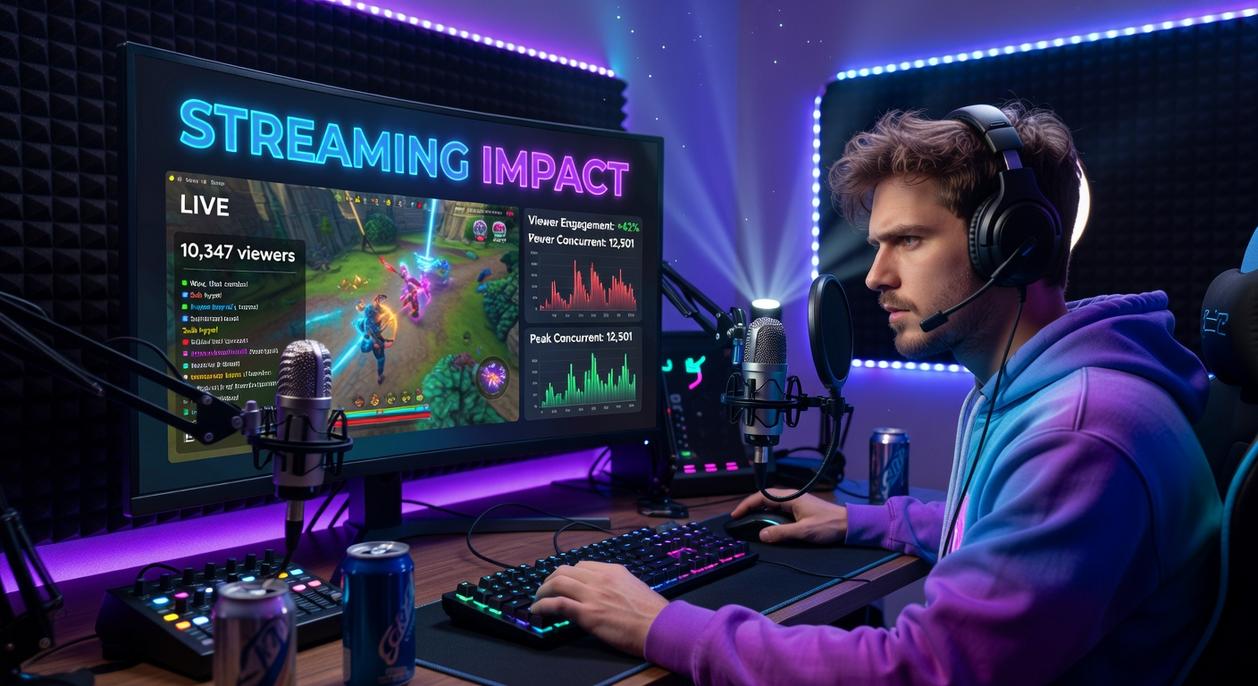
Game development used to focus primarily on player experience. Now, it often considers the audience watching that experience unfold. Whether that’s a good thing is still debated—but it’s impossible to ignore.
Procedural Generation & Replayability
To start, consider procedural generation—a design method where levels, items, or events are algorithmically created rather than handcrafted. In roguelikes like Hades and Slay the Spire, every run is different. That means a streamer never truly plays the same game twice.
For viewers, that unpredictability is compelling. It’s the difference between rewatching a movie and tuning into live sports (you don’t know how it ends). Still, some critics argue that procedural design can dilute narrative depth. That’s fair. Not every randomized system produces meaningful variety—but when it works, it creates near-infinite content loops.
Direct Audience Interaction
Then there’s Twitch integration. Viewers can vote on outcomes, spawn enemies, or gift in-game items in real time. This transforms passive watching into participatory entertainment.
However, it raises questions. Does audience control undermine player agency? Sometimes. But when balanced well, it enhances engagement and taps into principles explored in the psychology behind player motivation in video games.
Multiplayer & Social Hooks
Meanwhile, multiplayer-first design fuels emergent storytelling. Games like Sea of Thieves and Escape from Tarkov thrive on unpredictable player encounters. These unscripted moments—alliances, betrayals, last-second escapes—are streaming gold.
Admittedly, not every multiplayer system produces magic. But when it does, it feels almost engineered for virality.
Customization and Identity
Finally, deep customization allows streamers to craft recognizable in-game identities. Distinct cosmetics, builds, or playstyles become personal brands (yes, even the neon-pink pirate captain).
In the end, streaming influence on game development is real. Whether it ultimately strengthens or narrows creative design is still unfolding—and honestly, we may not have the full answer yet.
 bearglacier is the kind of writer who genuinely cannot publish something without checking it twice. Maybe three times. They came to multiplayer strategy sessions through years of hands-on work rather than theory, which means the things they writes about — Multiplayer Strategy Sessions, Insightful Reads, Undergrowth Indie Game Showcases, among other areas — are things they has actually tested, questioned, and revised opinions on more than once.
That shows in the work. bearglacier's pieces tend to go a level deeper than most. Not in a way that becomes unreadable, but in a way that makes you realize you'd been missing something important. They has a habit of finding the detail that everybody else glosses over and making it the center of the story — which sounds simple, but takes a rare combination of curiosity and patience to pull off consistently. The writing never feels rushed. It feels like someone who sat with the subject long enough to actually understand it.
Outside of specific topics, what bearglacier cares about most is whether the reader walks away with something useful. Not impressed. Not entertained. Useful. That's a harder bar to clear than it sounds, and they clears it more often than not — which is why readers tend to remember bearglacier's articles long after they've forgotten the headline.
bearglacier is the kind of writer who genuinely cannot publish something without checking it twice. Maybe three times. They came to multiplayer strategy sessions through years of hands-on work rather than theory, which means the things they writes about — Multiplayer Strategy Sessions, Insightful Reads, Undergrowth Indie Game Showcases, among other areas — are things they has actually tested, questioned, and revised opinions on more than once.
That shows in the work. bearglacier's pieces tend to go a level deeper than most. Not in a way that becomes unreadable, but in a way that makes you realize you'd been missing something important. They has a habit of finding the detail that everybody else glosses over and making it the center of the story — which sounds simple, but takes a rare combination of curiosity and patience to pull off consistently. The writing never feels rushed. It feels like someone who sat with the subject long enough to actually understand it.
Outside of specific topics, what bearglacier cares about most is whether the reader walks away with something useful. Not impressed. Not entertained. Useful. That's a harder bar to clear than it sounds, and they clears it more often than not — which is why readers tend to remember bearglacier's articles long after they've forgotten the headline.