
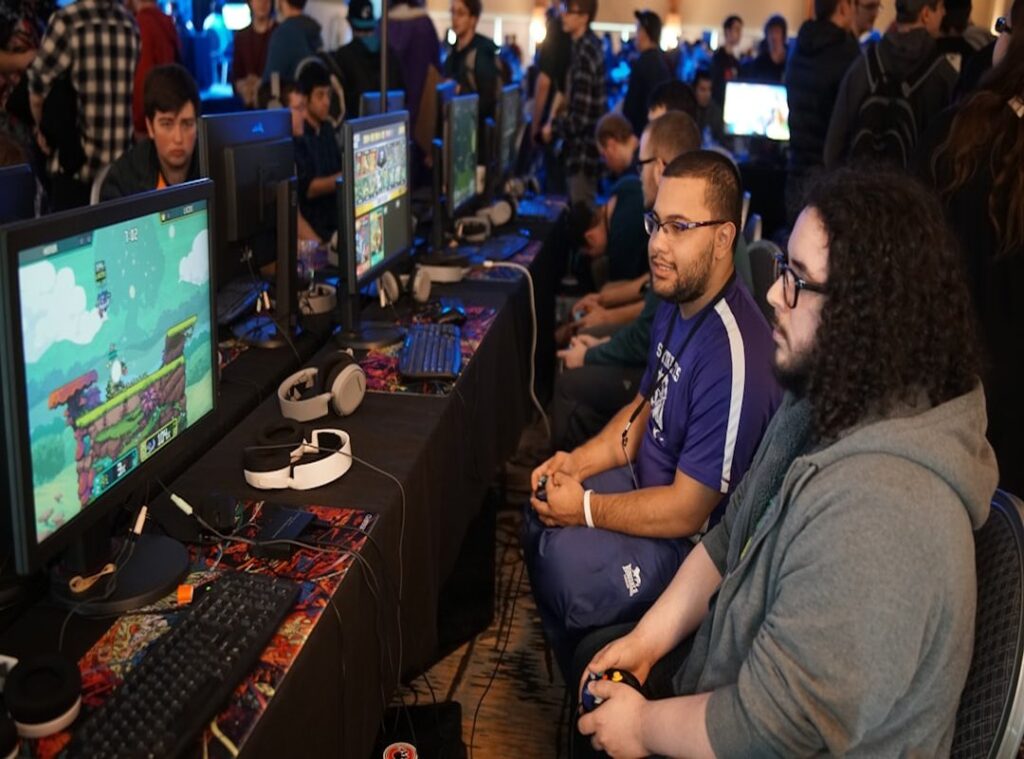
Ever noticed how “GG” or “Among Us” references sneak into even non-gamers’ conversations? That’s not by accident. Video games have seeped into every corner of our culture.
I’m here to unpack the gaming cultural impact. Not just the obvious stuff, like how we talk, but how it shapes our art and builds unique communities.
Games aren’t just for fun (though, let’s be real, they are fun). They’re a force. I’ve been tracking gaming trends for years, from the massive blockbusters to those quirky indie gems that pop up like delightful surprises.
Stick with me, and I’ll show you how gaming does more than entertain. It transforms. This isn’t surface-level stuff.
It’s a deep dive into the defining cultural force of our time.
The Evolution of Play: From Arcades to Living Rooms
Remember when arcades were the place to be? I do. Walking into those dimly lit rooms filled with flashing lights and the buzz of excitement was like stepping into another world.
Arcades were more than just a collection of games; they were a cultural phenomenon. A place where you could challenge your friends to a game of Pac-Man and maybe make some new ones while waiting for your turn.
But then, things changed. The home console revolution hit, and suddenly, gaming wasn’t just an outing. It became a living room staple.
Families gathered around the TV, controllers in hand, trying to beat Bowser in Mario Kart or swinging wildly with Wii Sports. This shift made gaming a household activity, sometimes sparking heated debates over who got next (we all have stories about that). It wasn’t just about the games; it was about the shared experience and who had the bragging rights.
And just when we thought it couldn’t get better, the internet came along and blew the doors wide open. Online gaming broke those physical barriers, connecting players from all over the globe. This wasn’t just about gaming.
It was about building massive online communities, and suddenly, you could be battling someone thousands of miles away. The gaming cultural impact was undeniable. It set the stage for today’s gaming world, where inclusivity is key.
Speaking of which, there’s a great discussion on gaming accessibility for everyone that you might find interesting.
Each era reshaped how we play and connect. And who knows what the next shift will bring?
Leveling Up Our Language: Gaming Vernacular Goes Mainstream
You might not realize it, but gaming culture has seeped into our everyday language. Now, why is that? Online games, particularly multiplayer ones, demand swift communication.
So gamers crafted a new shorthand. Terms like “nerf” (weakening something), “buff” (strengthening), and “GG” (Good Game) became the backbone of this dialect. You’ve probably used “nerf” in a non-gaming context without thinking twice.
Then there’s “Pog,” a reaction of excitement or surprise. And let’s not forget “grinding,” which just means putting in the work. These terms aren’t confined to game chats anymore.
They’ve jumped the digital fence and are galloping through our texts and tweets like they belong there.
How did this happen? Streaming platforms like Twitch played a big role. They pushed gamer lingo into the spotlight, broadcasting it to millions.
Ever notice how emotes and streamer-specific phrases creep into wider internet culture? Twitch is ground zero for that. It’s a bizarre yet fascinating melting pot.
Game-based memes are another piece of the puzzle. Remember “Press F to Pay Respects”? It’s a meme that morphed into a digital nod of empathy.
This showcases a shared digital experience, uniting strangers worldwide. Stuff like this makes you wonder about the the cultural impact of video games: right?
The gaming cultural impact is bigger than just new words. It’s a how games shape our interactions, online and off. Who knew pixels on a screen could leave such a mark?
The New Canvas: Gaming’s Influence on Art, Music, and Film
Who would have thought gaming would become such a cultural powerhouse? I certainly didn’t, and yet here we are. Gaming has reshaped how we see art, music, and film.
It’s not just about playing; it’s about creating an impact that resonates across different media. Remember when video game music was just a series of beeps? Now, these soundtracks have transformed into full-blown orchestral scores.
We’ve got live concerts celebrating this music, and they’re selling out. Seriously, just look at how often game soundtracks top streaming charts. They’ve become a staple for many.
Visuals in gaming have also taken a fascinating turn. Indie games have revived pixel art, a style many thought was long gone. It’s a perfect example of how retro can become trendy again.
Then there’s the cinematic side. Game cutscenes now hold their own against Hollywood productions. Games are more than pixelated adventures; they’re visual masterpieces that tell stories in ways films are starting to emulate.
Speaking of films, adaptations like ‘The Last of Us’ and ‘Arcane’ are proof that game narratives can translate into compelling, character-driven stories on screen.
The shift from simple graphics to storytelling epic is a gaming’s ability to inspire. But it’s not without its missteps. Some adaptations flopped, teaching studios that faithful narratives matter.
Understanding these lessons is key for future projects. For a deeper dive into where gaming’s headed, check out understanding esports rise future. It’s clear gaming’s influence isn’t going anywhere.
It’s a new canvas, and we’re all just getting started.
Building Worlds Together: From Isolation to Connection
Let’s shatter the tired image of the isolated gamer. Today, multiplayer games are lively social spaces. Ever played an MMORPG like World of Warcraft?
You quickly see how players connect, forming real friendships and communities. These “guilds” (or “clans”) become places where people support each other and share victories. It’s mind-blowing how a game can evolve into a meaningful “third place” (that spot outside of home and work where people gather).
Remember the days when gaming was seen as a solitary activity? That’s ancient history. Now, games like Stardew Valley encourage cooperation.
Players get together, share resources, and build something bigger than themselves. It’s not just about the game itself; it’s about who you meet and what you create together. These digital worlds offer a sense of belonging that’s hard to find elsewhere.
And esports? It’s like the Super Bowl, but with more pixels. Seriously, the gaming cultural impact is undeniable.
Teams, fans, and even celebrities rally around these massive digital competitions. It’s not just about winning; it’s about the shared experience and the electric atmosphere. The rise of esports has turned gaming from just a hobby to a cultural phenomenon.
So, what’s the lesson here? Gaming isn’t just a pastime. It’s a solid social catalyst.
Whether you’re diving into a fantasy area or cheering for your favorite esports team, you’re part of something much larger. You’re not just playing a game; you’re building connections. And that’s worth celebrating.
Press Play on Culture
Gaming isn’t just playtime anymore. It’s woven into our lives, influencing language and connections. The gaming cultural impact is undeniable.
It’s time we stop seeing games as simple distractions. They’re solid cultural forces shaping our world.
Ever noticed gaming lingo creeping into daily chats? That’s impact. Next time, pause and think about it.
Curious about the next big trend? Dive deeper into emerging games.
Explore more at undergrowthgameline.com.co. Discover the trends shaping tomorrow. Why not start today?
You owe it to yourself to see how gaming shapes us all. Embrace the shift, embrace the culture.
 Samuelo Colbertiny is the kind of writer who genuinely cannot publish something without checking it twice. Maybe three times. They came to multiplayer strategy sessions through years of hands-on work rather than theory, which means the things they writes about — Multiplayer Strategy Sessions, Insightful Reads, Undergrowth Indie Game Showcases, among other areas — are things they has actually tested, questioned, and revised opinions on more than once.
That shows in the work. Samuelo's pieces tend to go a level deeper than most. Not in a way that becomes unreadable, but in a way that makes you realize you'd been missing something important. They has a habit of finding the detail that everybody else glosses over and making it the center of the story — which sounds simple, but takes a rare combination of curiosity and patience to pull off consistently. The writing never feels rushed. It feels like someone who sat with the subject long enough to actually understand it.
Outside of specific topics, what Samuelo cares about most is whether the reader walks away with something useful. Not impressed. Not entertained. Useful. That's a harder bar to clear than it sounds, and they clears it more often than not — which is why readers tend to remember Samuelo's articles long after they've forgotten the headline.
Samuelo Colbertiny is the kind of writer who genuinely cannot publish something without checking it twice. Maybe three times. They came to multiplayer strategy sessions through years of hands-on work rather than theory, which means the things they writes about — Multiplayer Strategy Sessions, Insightful Reads, Undergrowth Indie Game Showcases, among other areas — are things they has actually tested, questioned, and revised opinions on more than once.
That shows in the work. Samuelo's pieces tend to go a level deeper than most. Not in a way that becomes unreadable, but in a way that makes you realize you'd been missing something important. They has a habit of finding the detail that everybody else glosses over and making it the center of the story — which sounds simple, but takes a rare combination of curiosity and patience to pull off consistently. The writing never feels rushed. It feels like someone who sat with the subject long enough to actually understand it.
Outside of specific topics, what Samuelo cares about most is whether the reader walks away with something useful. Not impressed. Not entertained. Useful. That's a harder bar to clear than it sounds, and they clears it more often than not — which is why readers tend to remember Samuelo's articles long after they've forgotten the headline.