
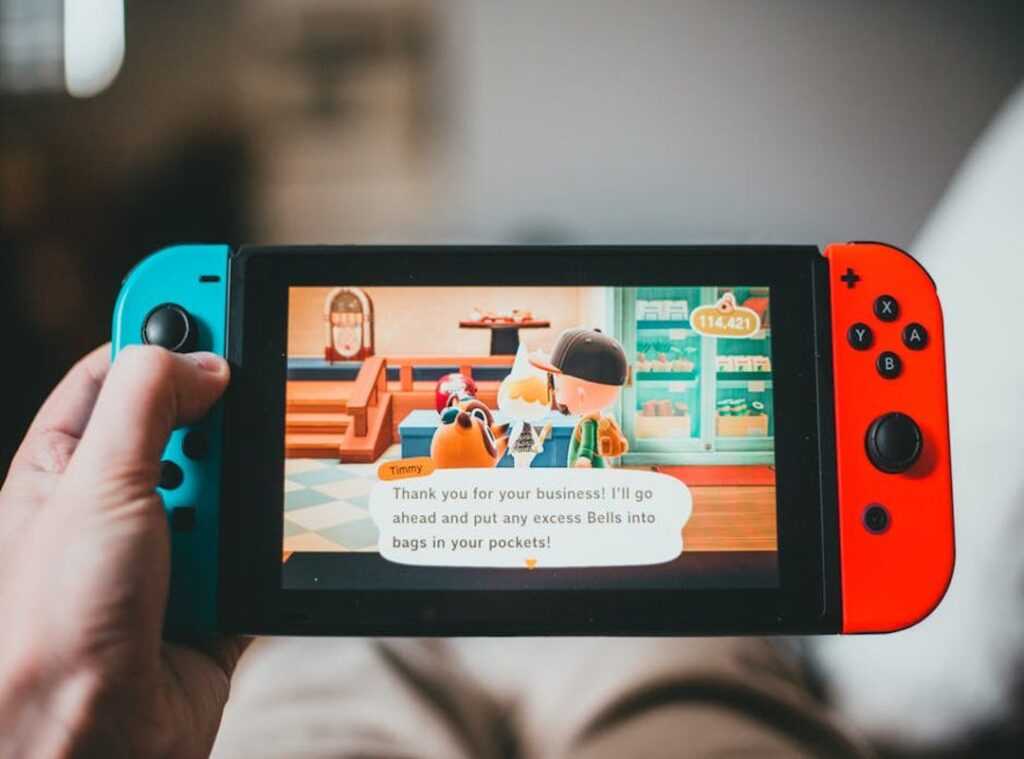
You know the feeling. You’re playing another blockbuster game and, bam, you see the twist coming a mile away. It’s the same recycled story, dressed up with flashy graphics.
But what if I told you there’s a corner of the gaming world where stories aren’t just recycled scripts?
I’m talking about indie games storytelling. Here, creative freedom reigns. Developers pour their personal visions into unique narratives that stick with you long after the credits roll.
Why do these indie stories feel so fresh and unforgettable? We’ll dive into the techniques indie creators use to craft these masterpieces.
Trust me, I’ve spent countless hours diving into the indie scene, hunting for the next narrative gem. In this article, you’ll discover what makes these stories tick and why they matter. Ready to explore?
Indie Games: Stories with Heart
Indie games storytelling isn’t just about budget constraints. It’s about creative autonomy and daring to venture where big studios often hesitate. Why?
Because when you’re not shackled by massive financial pressures, you can take those wild risks. In contrast, AAA games, with their large teams and hefty budgets, often play it safe. They’re like summer blockbusters.
Flashy but predictable.
Now, think of an indie game as a personal novel or an indie film. It’s raw, intimate, and often reflects the developer’s soul. You feel the personal touch.
You can sense the developer’s quirks and passions woven into every narrative thread. Who doesn’t love a story that feels like a secret shared between friends?
This approach brings emotional depth. Indie games explore themes that AAA games might shy away from. Niche topics or mature themes?
You bet. They push boundaries, experimenting with narratives in ways that propel the medium forward. It’s like reading a novel that dares to challenge your perspective, rather than just entertain.
And there’s something magical about a game that feels handcrafted. You get stories that aren’t just entertainment but experiences. They connect on a deeper level.
If you’re curious about how these games often innovate, the new indie game mechanics can be a great starting point.
So, why does indie games storytelling matter? It’s simple. These games remind us that stories are about connection, not just spectacle.
They bring us back to the essence of what storytelling should be (personal,) bold, and unapologetically unique.
Crafting Indie Stories: Core Techniques
Environmental Storytelling: It’s all about letting the game world whisper its secrets. Games like Gone Home and What Remains of Edith Finch are perfect examples. You don’t sit through endless cutscenes. Instead, you wander, piecing together the narrative from the environment itself. Doors creak open to reveal a family’s hidden past, and letters scattered on tables fill in the blanks. The story unfolds as you explore. It’s kind of like being a detective in your own home.
Ambiguous & Interpretive Narratives: Indie games love tossing you into the deep end. Ever finished Inside or Braid and felt like you missed something? That’s the point. These games leave endings and plot points hanging, open to interpretation. It’s genius, really. By doing this, they spark community discussions that last long after the credits roll. It’s all about engaging with the game beyond the screen. It makes you think: what does it all mean? And that’s exactly the conversation these games want to start.
Mechanics as Metaphor: This is where things get interesting. Take Celeste, for example. The challenging platforming mechanics mirror the protagonist’s battle with anxiety. As players, we feel their struggle. Each jump and climb isn’t just a physical task; it’s a metaphor for an internal battle. It’s called “ludonarrative harmony” (a fancy term, but spot-on). The mechanics reinforce the story, making them inseparable. It’s solid. Indie games storytelling thrives in these moments, pushing boundaries and reshaping narratives.
Want more like this? Check out 9 beautiful, heartwarming narrative-driven games to follow. They’ll open your eyes to the unique world of indie storytelling.
Whether you’re an old-school gamer or new to the scene, these techniques show how indie games can craft stories in ways big-budget titles often overlook. They’re small but mighty, and they’re not just games. They’re art, and they might just change the way you see storytelling itself.
Spotlight: 5 Indie Games with Unforgettable Narratives
Ever wonder what makes a game stick with you long after you’ve put down the controller? It’s the story. Indie games have a knack for storytelling that big studios often miss. to five indie games that prove this point.
Hades takes a bold step with its procedural narrative. Dying isn’t just a failure. It’s part of the journey. Each death unravels more of the story, making you eager to dive back into the chaos of the underworld. It’s genius, really. The way your character grows through repeated failures mirrors real-life resilience.
Then there’s Disco Elysium. This game is all about choice. You steer the story through a complex web of decisions.
The internal monologue system? It’s game-changing. It’s like having a debate with yourself, shaping a detective story that’s as personal as it is unpredictable.
How about Outer Wilds? Talk about a narrative that’s a puzzle. You explore a solar system stuck in a time loop, piecing together clues in any order you choose.
Papers, Please strips down storytelling to its core. Simple mechanics tell a story about morality and human cost. You’re a border officer, making decisions that weigh on you. It’s a stark reminder of bureaucracy’s impact on human lives, all through clicking and dragging papers.
This non-linear approach pulls you in, driven by sheer curiosity. It’s like reading a mystery novel with the pages mixed up, yet somehow it still makes sense.
Finally, Florence tells a love story without uttering a word. Through interactive vignettes and music, it captures the highs and lows of a relationship. Who knew that a game with almost no dialogue could be so emotionally rich?
These games showcase the power of community driven indie games. They redefine indie games storytelling, proving that great narratives don’t need big budgets, just creativity and heart. So, which game’s story will you explore next?
Indie Storytelling: The Underdog’s Influence
Indie games storytelling is shaking up the gaming industry. The narrative risks taken by these small developers are seeping into the mainstream. You’ve seen it, right? Walking simulators were once dismissed as niche but have now evolved into full-blown narrative adventures in major titles.
Why are indie games so influential? Because they’re not afraid to push boundaries. When big studios play it safe, indies dive headfirst into experimental waters.
Look at Undertale or Celeste. These games tackled mental health and morality with a boldness that’s now inspiring larger studios to do the same.
The future holds even more promise. Imagine AI-driven characters that adapt to your playstyle or text-based adventures making a comeback (because nostalgia is solid). And community-shaped narratives?
They’re on the rise. Players crave stories that reflect their choices, and indies excel at this.
Here’s the thing: the indie scene will continue to be the primary source of innovation in video game storytelling. As long as they keep taking risks, the industry will follow. What do you think?
Are indies the true trailblazers?
Discover Your New Favorite Game
Tired of those predictable blockbuster plots? Dive into the world of indie games storytelling. Here, creativity isn’t boxed in by big studios.
It’s a playground where narratives breathe, offering personal and impactful experiences. Indie developers pour their souls into storytelling as an art form. You feel it in every game.
Ready to find your next favorite story? Try one of the indie games mentioned. Or explore other showcases and discover hidden gems.
Your gaming journey awaits. Visit undergrowthgameline.com.co and uncover what you’ve been missing. Don’t wait.
Start experiencing the magic of true storytelling today.
 gg_jaguar is the kind of writer who genuinely cannot publish something without checking it twice. Maybe three times. They came to multiplayer strategy sessions through years of hands-on work rather than theory, which means the things they writes about — Multiplayer Strategy Sessions, Trend Tracker, Controller and Hardware Setup Tips, among other areas — are things they has actually tested, questioned, and revised opinions on more than once.
That shows in the work. gg_jaguar's pieces tend to go a level deeper than most. Not in a way that becomes unreadable, but in a way that makes you realize you'd been missing something important. They has a habit of finding the detail that everybody else glosses over and making it the center of the story — which sounds simple, but takes a rare combination of curiosity and patience to pull off consistently. The writing never feels rushed. It feels like someone who sat with the subject long enough to actually understand it.
Outside of specific topics, what gg_jaguar cares about most is whether the reader walks away with something useful. Not impressed. Not entertained. Useful. That's a harder bar to clear than it sounds, and they clears it more often than not — which is why readers tend to remember gg_jaguar's articles long after they've forgotten the headline.
gg_jaguar is the kind of writer who genuinely cannot publish something without checking it twice. Maybe three times. They came to multiplayer strategy sessions through years of hands-on work rather than theory, which means the things they writes about — Multiplayer Strategy Sessions, Trend Tracker, Controller and Hardware Setup Tips, among other areas — are things they has actually tested, questioned, and revised opinions on more than once.
That shows in the work. gg_jaguar's pieces tend to go a level deeper than most. Not in a way that becomes unreadable, but in a way that makes you realize you'd been missing something important. They has a habit of finding the detail that everybody else glosses over and making it the center of the story — which sounds simple, but takes a rare combination of curiosity and patience to pull off consistently. The writing never feels rushed. It feels like someone who sat with the subject long enough to actually understand it.
Outside of specific topics, what gg_jaguar cares about most is whether the reader walks away with something useful. Not impressed. Not entertained. Useful. That's a harder bar to clear than it sounds, and they clears it more often than not — which is why readers tend to remember gg_jaguar's articles long after they've forgotten the headline.