
Principle 2: Guiding the Player with Signposting and Affordance
Most players say they hate being “hand-held.” Fair. No one wants a glowing waypoint screaming every five seconds. But here’s the contrarian take: invisible guidance is still guidance. And great designers use it constantly.
What is Signposting?
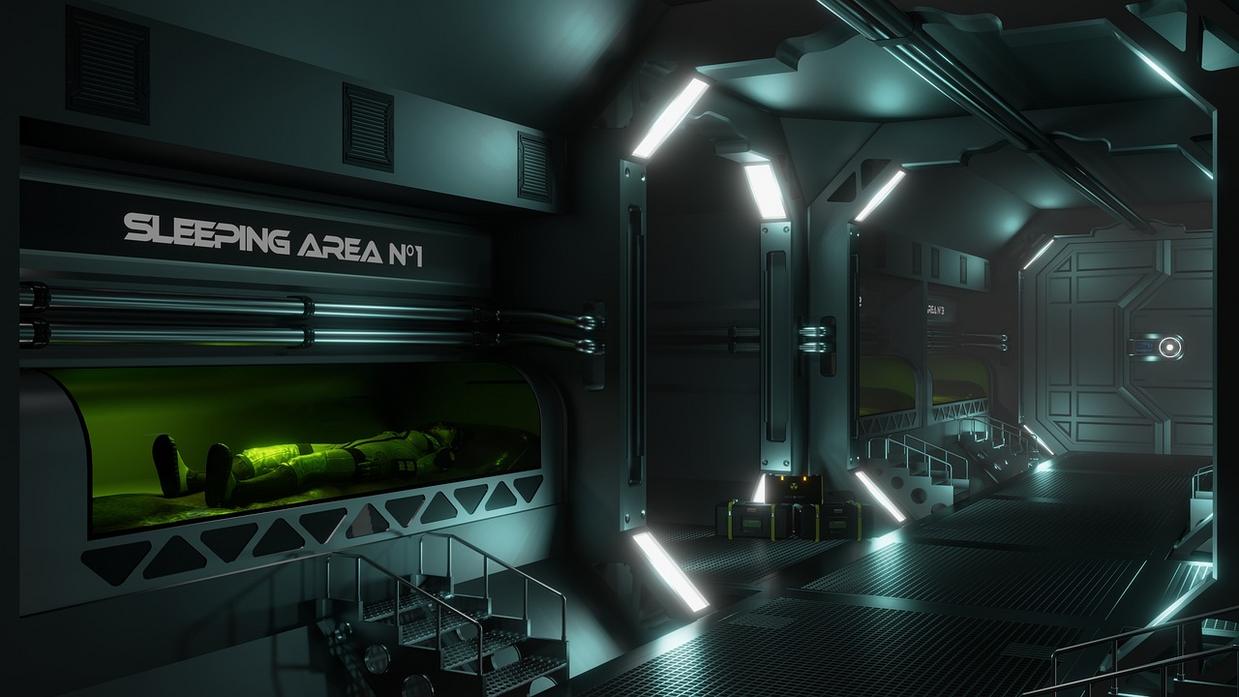
Signposting is the use of environmental cues—light, color, composition, architecture—to quietly steer players. A brighter corridor, a broken fence forming an arrow shape, a contrasting color at the end of a hallway. You’re not told where to go. You feel it. (Like following the brightest stall at a night market.)
The Power of Affordance
Affordance means designing objects so their function is immediately obvious. A waist-high wall invites cover. A yellow-painted ledge screams “climb me.” Some critics argue this breaks immersion. Yet research in human-computer interaction shows clear affordances reduce cognitive load and frustration (Norman, The Design of Everyday Things). Players don’t want confusion mistaken for depth.
Lighting as a Guide
Light naturally draws the eye. Designers highlight exits, objectives, or safe paths with brighter values or warmer tones. Meanwhile, dead ends stay dim. It’s subtle choreography.
Case Study
In The Last of Us, warm light often marks progression routes. Portal 2 frames portals with clean contrast and sightlines, making complex puzzles readable. That’s level design principles at work—clarity over chaos.
Building Worlds, Not Just Levels
Great level design isn’t accidental. It’s built on intention.
You now have a framework grounded in four essential pillars: Pacing, Guidance, Balance, and Atmosphere. These principles give structure to creativity and turn raw ideas into meaningful player experiences.
Without them, even the most visually impressive map can feel frustrating or forgettable. Players get lost. Difficulty spikes feel unfair. Worlds seem hollow instead of immersive. That’s the difference between a level people finish and a world they remember.
The strength of this framework is that it works anywhere. Shooters, RPGs, puzzle games—Pacing, Guidance, Balance, and Atmosphere apply across genres because they shape how players feel, not just what they do.
Next time you play a game, look for these principles in action. Then apply just one to your own project and watch the immediate improvement.
Don’t let your map become another forgettable space. Start building worlds players never want to leave—put these principles into practice today.