
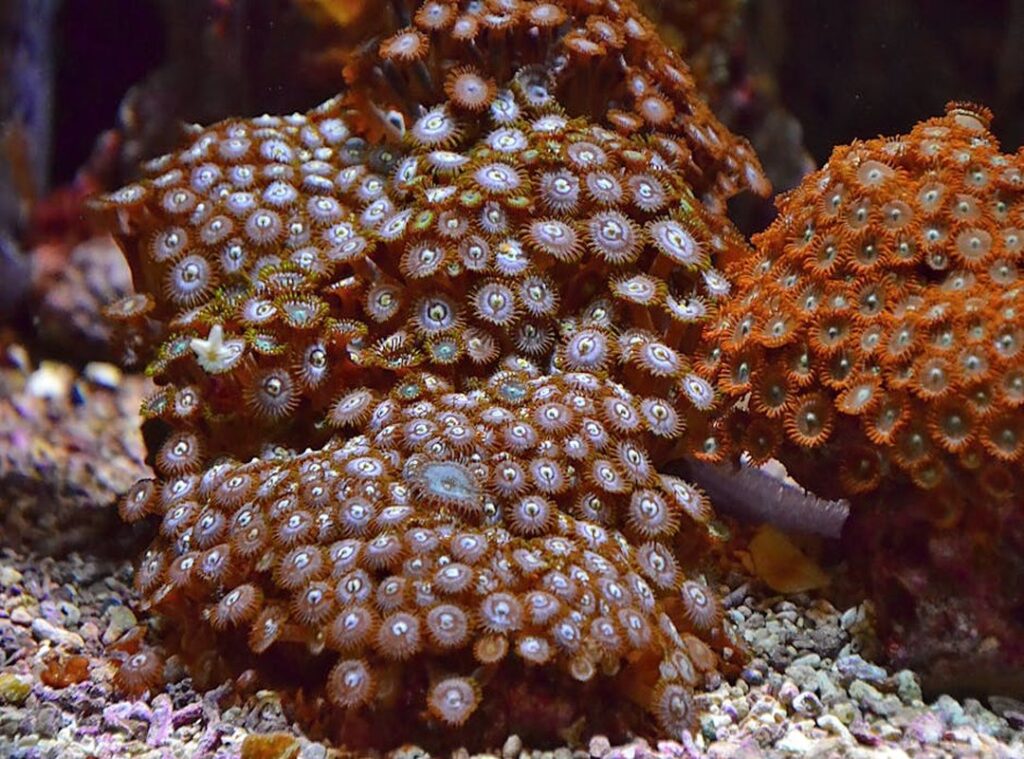
You know the joke about how a reef aquarium is just a money pit? And every time you think, “Just one more coral”? Yeah, I get it.
But what if your passion project is actually a valuable, appreciating asset?
This article will break down the real financial dynamics of the reefing hobby. We’ll move beyond simple costs to explore tangible resale value and monetization.
Reef addicts net worth might be more than you think. Smart choices in equipment and livestock can build significant value over time.
I’m not saying you’ll get rich, but understanding the economics of the hobby can make it more sustainable and rewarding. Let’s dive in and see how your tank could be more than just a pretty view.
Breaking Down the Numbers: The Real Investment in a Thriving Ecosystem
Setting up a mid-sized tank, say 75-90 gallons, can add up quickly. Let’s break it down.
Initial Setup Costs:
- Hardware (tank, stand, sump, etc.):
- Good: $300
- Better: $600
-
Best: $1,200
-
Rock and Sand:
- Good: $150
- Better: $300
-
Best: $600
-
Lighting:
- Good: $150
- Better: $300
-
Best: $600
-
Protein Skimmer:
- Good: $100
- Better: $200
-
Best: $400
-
Other Essentials (pumps, heaters, etc.):
- Good: $100
- Better: $200
- Best: $400
Ongoing Operational Costs:
- Quality Salt Mix:
- Good: $10/month
- Better: $20/month
-
Best: $30/month
-
Chemical Supplements (alkalinity, calcium, magnesium):
- Good: $20/month
- Better: $30/month
-
Best: $50/month
-
High-Quality Food:
- Good: $10/month
- Better: $20/month
-
Best: $30/month
-
Electricity:
- Good: $20/month
- Better: $30/month
- Best: $50/month
Investing upfront in reliable equipment is crucial. Cheap gear might save you money now, but it often leads to costly failures and livestock loss later. Trust me, I’ve seen it happen more times than I can count.
Now, let’s talk about the livestock budget. Common starter corals and fish are generally affordable. But if you’re into rare or named coral morphs, or specific fish, the prices can skyrocket.
For example, a common clownfish might set you back $20, while a rare variant could cost over $100. Similarly, a basic coral fragment might be $20, but a sought-after, named morph can easily reach reef addicts net worth.
In summary, setting up and maintaining a thriving aquarium is an investment. By choosing quality equipment and being mindful of ongoing costs, you can create a beautiful and sustainable ecosystem.
From Expense to Asset: How Your Gear and Corals Hold Their Value
When it comes to reefing, a lot of people think of it as an expensive hobby. But here’s the thing: with the right approach, your gear and corals can actually hold their value and even appreciate over time.
High-Resale Value Equipment
Take premium brands like Ecotech Marine, Neptune Systems, and GHL. These brands are known for retaining value in the secondhand market. If you take care of your equipment, you can resell it for a good chunk of what you paid.
The Value of Mature Coral Colonies
Now, let’s talk about corals. A well-maintained, mature coral colony is worth significantly more than the small frag it grew from. For example, a $50 ‘Tidal Wave’ chalice frag can grow into a $300+ colony.
That’s not just a pretty sight; it’s a solid investment.
Thriving Secondhand Market
There’s a thriving secondhand market on forums, Facebook groups, and sites like Reef2Reef. Hobbyists buy, sell, and trade livestock and equipment all the time. It’s a great way to get some of the best deals and find rare items.
Aquacultured Value
Another interesting concept is “aquacultured value.” Homegrown corals are often seen as hardier and more desirable than wild-collected specimens. This means that the corals you grow at home can be more valuable in the long run.
Tips for Maximizing Resale Value
To maximize resale value, keep the original boxes for your equipment. It might seem like a hassle, but it makes a difference when you go to sell. Also, maintain your equipment well.
Regular cleaning and proper use can extend its life and make it more attractive to buyers.
High-quality photos of your livestock are a must. Clear, well-lit images show potential buyers exactly what they’re getting. This can make a big difference in how quickly and for how much you can sell your corals.
Contrarian Take
A lot of people assume that once you buy something for your tank, it’s a sunk cost. I disagree. With the right brands and maintenance, your gear and corals can be a significant part of your reef addicts net worth.
It’s not just about the initial purchase; it’s about the long-term value.
So, next time you’re thinking about adding to your setup, consider the resale value. It might change how you view your hobby and your investments.
The Reef Side-Hustle: Turning Frags into Funds

Starting a side-hustle in fragging corals can be a great way to fund your hobby. It’s not just about keeping your tank looking good; it’s about turning that growth into cash.
First, you need the right tools. Bone cutters, a fragging station, plugs, and coral glue are essential. Think of these as a small business investment.
You’ll use them over and over, so quality matters.
Now, let’s talk pricing. It’s more than just slapping a random price tag on your frags. Consider the polyp count, size, rarity, and current market demand for specific coral strains.
This is where research pays off. Look at what others are charging for similar frags.
Selling your frags can go a few ways. You could sell to a Local Fish Store (LFS) for store credit. Or, if you want cash, you can sell directly to other hobbyists.
Online forums and social media groups are great for this. Just make sure to follow the rules and guidelines of each platform.
Another income avenue is breeding popular invertebrates. Designer clownfish and sexy shrimp, for example, can fetch a good price. These creatures add value and diversity to your tank, and they can also bring in some extra cash.
Remember, the goal is to make this a sustainable side-hustle. Keep track of your expenses and sales. With a bit of effort, you can turn your passion into a profitable venture.
And who knows? Maybe one day, your reef addicts net worth will grow, and you’ll have a thriving little business.
Your Aquarium: A Passion That Pays Back
A reef aquarium is far more than a costly hobby; it’s a living investment where both the equipment and livestock can retain and even appreciate in value. Through smart purchasing and active propagation, the hobby can become financially self-sustaining. The reef addicts net worth comes from understanding the market within the community.
Look at your tank not as a collection of expenses, but as a portfolio of living assets that brings both joy and tangible worth.
 gg_jaguar is the kind of writer who genuinely cannot publish something without checking it twice. Maybe three times. They came to multiplayer strategy sessions through years of hands-on work rather than theory, which means the things they writes about — Multiplayer Strategy Sessions, Trend Tracker, Controller and Hardware Setup Tips, among other areas — are things they has actually tested, questioned, and revised opinions on more than once.
That shows in the work. gg_jaguar's pieces tend to go a level deeper than most. Not in a way that becomes unreadable, but in a way that makes you realize you'd been missing something important. They has a habit of finding the detail that everybody else glosses over and making it the center of the story — which sounds simple, but takes a rare combination of curiosity and patience to pull off consistently. The writing never feels rushed. It feels like someone who sat with the subject long enough to actually understand it.
Outside of specific topics, what gg_jaguar cares about most is whether the reader walks away with something useful. Not impressed. Not entertained. Useful. That's a harder bar to clear than it sounds, and they clears it more often than not — which is why readers tend to remember gg_jaguar's articles long after they've forgotten the headline.
gg_jaguar is the kind of writer who genuinely cannot publish something without checking it twice. Maybe three times. They came to multiplayer strategy sessions through years of hands-on work rather than theory, which means the things they writes about — Multiplayer Strategy Sessions, Trend Tracker, Controller and Hardware Setup Tips, among other areas — are things they has actually tested, questioned, and revised opinions on more than once.
That shows in the work. gg_jaguar's pieces tend to go a level deeper than most. Not in a way that becomes unreadable, but in a way that makes you realize you'd been missing something important. They has a habit of finding the detail that everybody else glosses over and making it the center of the story — which sounds simple, but takes a rare combination of curiosity and patience to pull off consistently. The writing never feels rushed. It feels like someone who sat with the subject long enough to actually understand it.
Outside of specific topics, what gg_jaguar cares about most is whether the reader walks away with something useful. Not impressed. Not entertained. Useful. That's a harder bar to clear than it sounds, and they clears it more often than not — which is why readers tend to remember gg_jaguar's articles long after they've forgotten the headline.