I’ve been to dozens of gaming conventions and most of them feel like walking through the same booth over and over.
You’re here because you want something different. A convention that actually gets what makes nature-themed games special.
undergrowthgameline is that event.
This isn’t another massive convention where you fight crowds to see the same AAA titles everyone’s already talking about. This one focuses on games built around ecosystems, survival mechanics, and what happens when you’re dropped into environments that don’t care if you make it out alive.
I’m talking about games with real depth. The kind where understanding a food chain matters more than your reaction time.
This guide walks you through what’s actually happening at the event. The featured games worth your time. The workshops that teach you something useful. The competitive tournaments where strategy beats button mashing.
We’ve got the full breakdown of what to expect, who’s showing up, and which sessions you should prioritize if you only have a day or two.
If you care about games that make you think about systems and survival instead of just pointing you at the next objective marker, keep reading.
This is your complete guide to making the most of undergrowthgameline.
Event Overview: What to Expect at the Undergrowth Game Line Event
Most gaming conventions feel the same.
Giant halls packed with screens. Loud booths competing for attention. The same AAA titles taking up half the floor space.
But the undergrowthgameline event? It’s doing something different.
Here’s where I’m going to lose some of you.
A lot of people say gaming events need to be big and loud to matter. They think if you’re not showcasing the next blockbuster release, you’re wasting everyone’s time.
I think that’s backwards.
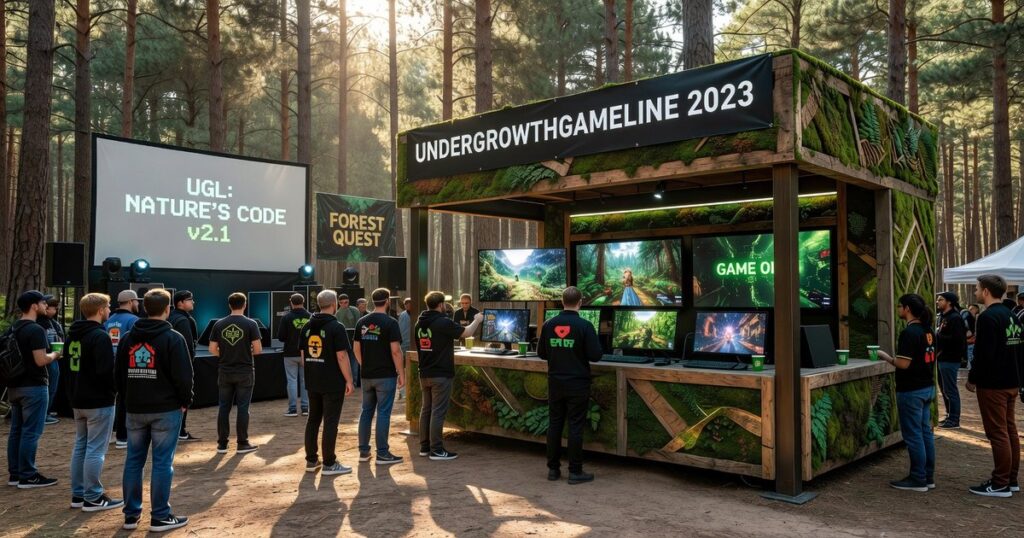
The game event undergrowthgameline runs October 25-27 at The Evergreen Convention Center in Portland, OR. Three days focused entirely on games where nature isn’t just a backdrop. It’s the whole point.
What makes this worth your time?
The floor plan breaks into three zones. Main Stage handles panels and reveals. Indie Grove showcases smaller studios (and honestly, this is where the interesting stuff lives). Workshop Labs lets you actually sit down with developers and learn how they build these worlds.
You won’t find battle royales here. No esports arenas or merchandise walls that stretch for miles.
What you will find: survival-crafting games, colony sims, narrative exploration titles where the forest or ocean or cave system shapes every decision you make.
The venue itself leans into the theme. Ambient soundscapes. Themed installations that feel like walking through the games themselves.
Some critics say niche events like this are too small to matter. That they’re just preaching to the converted.
But here’s what they’re missing. When you strip away the noise and focus on one thing done well, you get deeper conversations. Better demos. Actual connections instead of just collecting swag bags.
If you’re into games where the environment tells the story, this is your event.
The Games Showcase: From Anticipated Titles to Hidden Indie Gems
I’ll never forget the first time I walked into a game showcase and saw something that completely changed how I thought about survival games.
It was tucked in a corner booth. No flashy banners. Just a developer with a laptop and a controller.
That game never made it to market. But it showed me that the best stuff at these events isn’t always on the main stage.
The Main Stage
This year at undergrowthgameline our hosted event, we’re bringing two titles I’ve been watching for months.
Feral Bloom is a multiplayer survival game where the seasons actually matter. Not just visual changes. The entire ecosystem shifts. Animals migrate. Plants die off. Water sources freeze or flood. In Feral Bloom, players must navigate the dynamic landscapes shaped by the changing seasons, where every decision affects survival along the intricate Undergrowthgameline, highlighting the profound impact of a living ecosystem. In Feral Bloom, players will find themselves constantly adapting to the shifting seasons and the challenges presented by the Undergrowthgameline, where the interplay between flora and fauna creates a truly immersive survival experience.
You and your team have to adapt or you’re done.
Then there’s Mycelium. It’s a narrative mystery about a forest that thinks. I got to play an early build last month and I’m still thinking about it. The way the story unfolds through environmental clues instead of cutscenes? That’s the kind of thing that sticks with you.
The Indie Grove
But here’s what I’m really excited about.
We set up a whole zone just for indie developers. No publishers. No PR teams. Just creators showing you what they built.
You can play early builds that might never see Steam. You can ask questions about mechanics and design choices. (And trust me, these conversations are gold if you care about how games actually work.)
I’ve already confirmed twelve indie teams. Some are solo devs working on passion projects. Others are small studios trying something weird.
What You’ll Actually Play
The range is pretty wild this year.
We’ve got relaxing ecosystem builders where you just watch nature do its thing. We’ve got tactical survival sims that’ll stress you out in the best way possible.
Some games let you terraform entire biomes. Others drop you in harsh environments with nothing but your wits.
Where The Genre Is Headed
Look, I’ve been tracking survival and nature sim games for years now.
What I’m seeing at this showcase tells me where things are going. Procedural generation is getting smarter. AI-driven ecosystems are starting to feel alive instead of scripted.
And environmental storytelling? That’s becoming the standard instead of the exception.
You’ll see it in almost every demo we’re featuring.
Interactive Sessions: Panels and Workshops to Hone Your Skills
You can read about game mechanics all day.
But nothing beats sitting down with someone who actually built the system and asking them why they made the choices they did.
That’s what these sessions are about.
Mechanics Masterclass: Optimizing Your Controller for Survival Horror
I’m running a workshop on controller setup because I’m tired of watching people struggle with default configs.
We’ll cover dead zone adjustments first. Most players don’t realize their sticks are registering movement when they’re not even touching them. That’s why your aim drifts in tense moments. In the upcoming Online Gaming Event Undergrowthgameline, we’ll delve into the critical adjustments for dead zones that can significantly enhance your precision and eliminate unwanted drift during high-stakes gameplay. In the upcoming Online Gaming Event Undergrowthgameline, we will explore how understanding and adjusting dead zones can significantly enhance your precision and overall gameplay experience.
Then we’ll dig into sensitivity curves. Linear versus exponential. Which one gives you better control when you’re trying to line up a headshot while something’s chasing you.
Custom button mapping comes last. I’ll show you setups I use for Resident Evil and Dead Space that cut down on fumbling during panic situations.
Developer Deep Dives
The panels are where things get interesting.
I’ve got industry veterans lined up to talk about stuff you won’t find in patch notes. One session is called Designing Dynamic Ecosystems: The Logic Behind AI Wildlife.
The lead AI programmer from a major studio told me: “Players think animals just wander randomly. They don’t. Every creature has a decision tree based on hunger, threat level, and territorial behavior.”
Another panel focuses on environmental storytelling. How developers hide narrative in the world itself without forcing cutscenes on you.
Strategy Sessions This ties directly into what we cover in Undergrowthgameline Hosted Event.
We’re doing a deep dive on multiplayer survival strategy too.
Resource management. Base defense. Team communication that actually works.
One panelist put it this way: “Most squads fail because they’re reactive. You need to plan your resource runs like you’re planning a heist.”
Q&A Opportunities
Here’s the best part.
Every session is interactive. You can ask questions. Challenge assumptions. Get direct answers from people who know what they’re talking about.
This online gaming event undergrowthgameline isn’t about sitting back and listening. It’s about getting better at what you do.
Community & Competition: Tournaments and Social Hubs
Most gaming events throw together a few tournaments and call it a day.
But here’s what nobody talks about. The best moments at these events happen between matches. When you’re sitting next to someone who just pulled off the same impossible move you’ve been practicing for weeks.
That’s what we built this space for.
The Survival Gauntlet Tournament kicks off at noon on Saturday. It’s a 3v3 format for our flagship team-based survival game. Last team standing takes home $5,000. Second place gets $2,000. Third gets $500 and the knowledge that they almost had it.
Sign up at the registration desk or online before Friday night. Slots fill fast.
Now some people say competitive gaming at conventions is too serious. That it kills the fun and turns everything into an esports wannabe situation.
I disagree.
Competition brings out the best gameplay. You see strategies you’d never think of on your own. Plus, watching top-tier players go head to head? That’s where you learn.
But I also get why people want options.
That’s why we set up high-score challenge stations throughout the floor. Single-player games where you can jump in, post your best run, and see how you stack up. No teams to coordinate. No pressure. Just you versus the leaderboard.
Winners get prizes. Everyone gets bragging rights (or humbling reality checks).
Developer meet-and-greets run every afternoon from 3 to 5 PM. The creators behind your favorite indie titles will be hanging out in the lounge area. No panels. No formal presentations. Just conversations about what went into building the games you love.
And when you need a break? The community hangout zones are themed by genre. There’s a survival game lounge with camping chairs and dim lighting. A puzzle game corner with actual board games. A fighting game area with arcade cabinets. In the heart of the vibrant community hangout zones, gamers can unwind and connect over their favorite genres while anticipating the excitement of Undergrowthgameline Our Hosted Event, where the thrill of competition meets the camaraderie of shared experiences. In the heart of the vibrant community hangout zones, gamers can unwind and connect with others while discussing strategies from their latest adventures, especially during the exciting moments of Undergrowthgameline Our Hosted Event.
Find your people. Talk shop. Make friends who actually understand why you spent 40 hours perfecting that one speedrun technique.
This is undergrowthgameline. Where the competition matters but the community matters more.
Don’t Miss the Definitive Genre Celebration
You now know what’s waiting for you at the Undergrowth Game Line Event.
The games. The panels. The experiences you won’t find anywhere else.
This event does something most conventions don’t. It goes deep instead of wide. You get quality over quantity because everything here centers on one of gaming’s most innovative genres.
That focus matters. You’re not wading through hundreds of booths that don’t interest you. Every corner of this event was built for people who care about what you care about.
The community here gets it. They speak your language.
Tickets are selling fast. Secure your pass today and prepare to explore the wild.
This is your chance to connect with games and people who push boundaries. The kind of experience that reminds you why you fell in love with gaming in the first place.
Don’t wait until passes are gone. Get yours now and be part of something that celebrates the genre the right way.
 andre17 is the kind of writer who genuinely cannot publish something without checking it twice. Maybe three times. They came to trend tracker through years of hands-on work rather than theory, which means the things they writes about — Trend Tracker, Multiplayer Strategy Sessions, Insightful Reads, among other areas — are things they has actually tested, questioned, and revised opinions on more than once.
That shows in the work. andre17's pieces tend to go a level deeper than most. Not in a way that becomes unreadable, but in a way that makes you realize you'd been missing something important. They has a habit of finding the detail that everybody else glosses over and making it the center of the story — which sounds simple, but takes a rare combination of curiosity and patience to pull off consistently. The writing never feels rushed. It feels like someone who sat with the subject long enough to actually understand it.
Outside of specific topics, what andre17 cares about most is whether the reader walks away with something useful. Not impressed. Not entertained. Useful. That's a harder bar to clear than it sounds, and they clears it more often than not — which is why readers tend to remember andre17's articles long after they've forgotten the headline.
andre17 is the kind of writer who genuinely cannot publish something without checking it twice. Maybe three times. They came to trend tracker through years of hands-on work rather than theory, which means the things they writes about — Trend Tracker, Multiplayer Strategy Sessions, Insightful Reads, among other areas — are things they has actually tested, questioned, and revised opinions on more than once.
That shows in the work. andre17's pieces tend to go a level deeper than most. Not in a way that becomes unreadable, but in a way that makes you realize you'd been missing something important. They has a habit of finding the detail that everybody else glosses over and making it the center of the story — which sounds simple, but takes a rare combination of curiosity and patience to pull off consistently. The writing never feels rushed. It feels like someone who sat with the subject long enough to actually understand it.
Outside of specific topics, what andre17 cares about most is whether the reader walks away with something useful. Not impressed. Not entertained. Useful. That's a harder bar to clear than it sounds, and they clears it more often than not — which is why readers tend to remember andre17's articles long after they've forgotten the headline.