

Gameplay Mechanics & Monetization: A Symbiotic Relationship
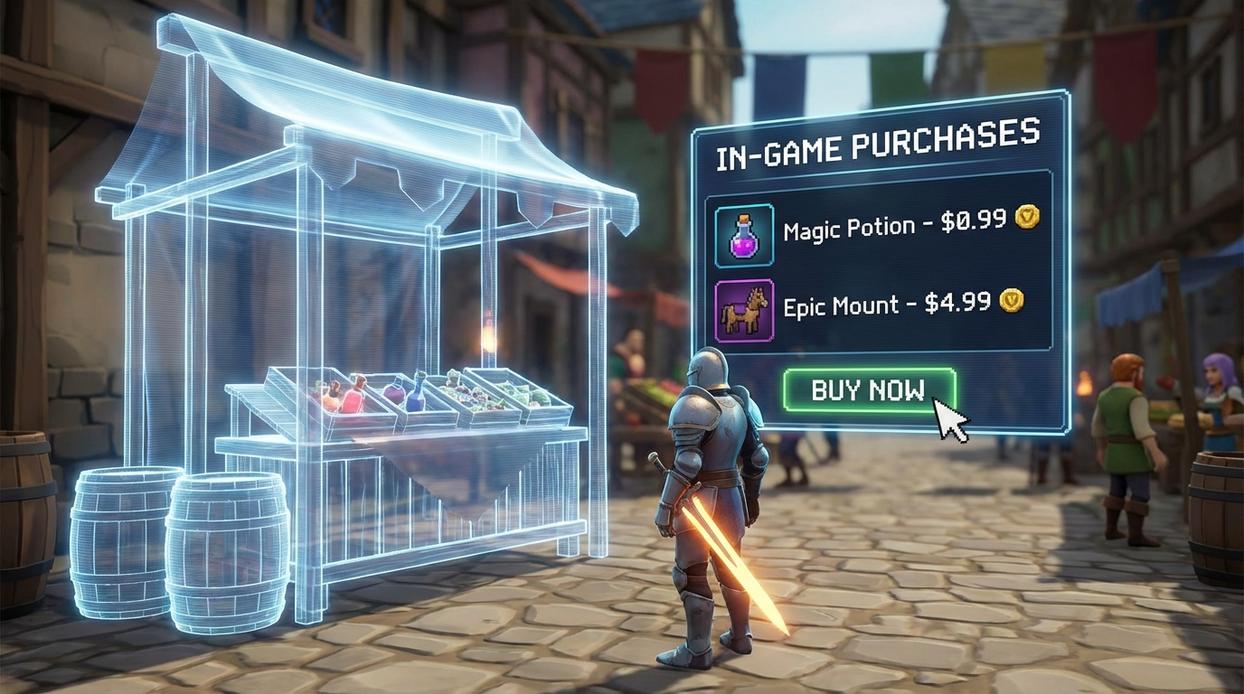
If there’s one lesson multiplayer history keeps teaching us, it’s this: GAMEPLAY AND MONEY ARE NEVER SEPARATE SYSTEMS.
Early in my career, I underestimated how tightly they intertwine. I once praised a progression system that “felt rewarding.” Weeks later, players were calling it manipulative. They weren’t wrong.
Designing for Desire
Modern games build spending pressure points—moments where friction nudges players toward purchases. Gear progression (the structured improvement of equipment stats over time) often slows just enough to make a premium boost tempting. Character customization (purely cosmetic personalization of avatars) taps into identity and status—think Fortnite skins functioning like digital streetwear (yes, your avatar’s basically flexing on Instagram).
The mistake? Assuming players wouldn’t notice. They always do.
Pro tip: If progression feels frustrating without payment, it’s not balance—it’s bait.
The “Pay-to-Win” Controversy
Pay-to-win refers to monetization that grants a direct competitive advantage—stronger weapons, faster cooldowns, higher stats—exclusively through real money. Research shows perceived unfairness reduces player retention in competitive environments (Hamari et al., 2017).
Some argue pay-to-win is overstated—after all, time is also a currency. True. But when money bypasses skill ceilings, multiplayer strategy collapses. Communities fracture. I’ve seen guilds dissolve over this.
Players will tolerate cosmetics. They rarely forgive power imbalance.
Economy Control
Developers regulate virtual currency (in-game money systems) and item pricing to prevent inflation and power creep. Get it wrong, and you create runaway economies where newcomers can’t compete. The term microtransactions in gaming economy exists because small purchases, scaled widely, reshape entire power structures.
Indie Game Showcase
Indies often lead by example. Games like Deep Rock Galactic restrict purchases to cosmetics only. Hades launched complete—no shortcuts, no stat boosts. The lesson? Monetization works best when it respects mastery.
When design and revenue align, players stay.
When they don’t, THEY LEAVE.
The Evolving Economy of Gaming
Games aren’t just built for fun anymore. They’re built on complex economic systems that shape how we play, compete, and connect.
From premium releases to live-service titles driven by microtransactions in gaming economy, today’s monetization models influence everything from progression loops to multiplayer balance. You’ve now seen how these systems work, the psychology behind them, and how they directly impact game design.
The real challenge is balance. Developers need sustainable revenue. Players want fairness and meaningful rewards for their time and money. When that balance slips, trust erodes and communities fracture.
The future belongs to models that respect player investment and build long-term loyalty instead of short-term profit.
You care about where your time and money go. So act on it. Support games that prioritize fair practices, leave reviews, give feedback, and back studios that earn your trust. A better gaming economy starts with informed players like you.
 andre17 is the kind of writer who genuinely cannot publish something without checking it twice. Maybe three times. They came to trend tracker through years of hands-on work rather than theory, which means the things they writes about — Trend Tracker, Multiplayer Strategy Sessions, Insightful Reads, among other areas — are things they has actually tested, questioned, and revised opinions on more than once.
That shows in the work. andre17's pieces tend to go a level deeper than most. Not in a way that becomes unreadable, but in a way that makes you realize you'd been missing something important. They has a habit of finding the detail that everybody else glosses over and making it the center of the story — which sounds simple, but takes a rare combination of curiosity and patience to pull off consistently. The writing never feels rushed. It feels like someone who sat with the subject long enough to actually understand it.
Outside of specific topics, what andre17 cares about most is whether the reader walks away with something useful. Not impressed. Not entertained. Useful. That's a harder bar to clear than it sounds, and they clears it more often than not — which is why readers tend to remember andre17's articles long after they've forgotten the headline.
andre17 is the kind of writer who genuinely cannot publish something without checking it twice. Maybe three times. They came to trend tracker through years of hands-on work rather than theory, which means the things they writes about — Trend Tracker, Multiplayer Strategy Sessions, Insightful Reads, among other areas — are things they has actually tested, questioned, and revised opinions on more than once.
That shows in the work. andre17's pieces tend to go a level deeper than most. Not in a way that becomes unreadable, but in a way that makes you realize you'd been missing something important. They has a habit of finding the detail that everybody else glosses over and making it the center of the story — which sounds simple, but takes a rare combination of curiosity and patience to pull off consistently. The writing never feels rushed. It feels like someone who sat with the subject long enough to actually understand it.
Outside of specific topics, what andre17 cares about most is whether the reader walks away with something useful. Not impressed. Not entertained. Useful. That's a harder bar to clear than it sounds, and they clears it more often than not — which is why readers tend to remember andre17's articles long after they've forgotten the headline.