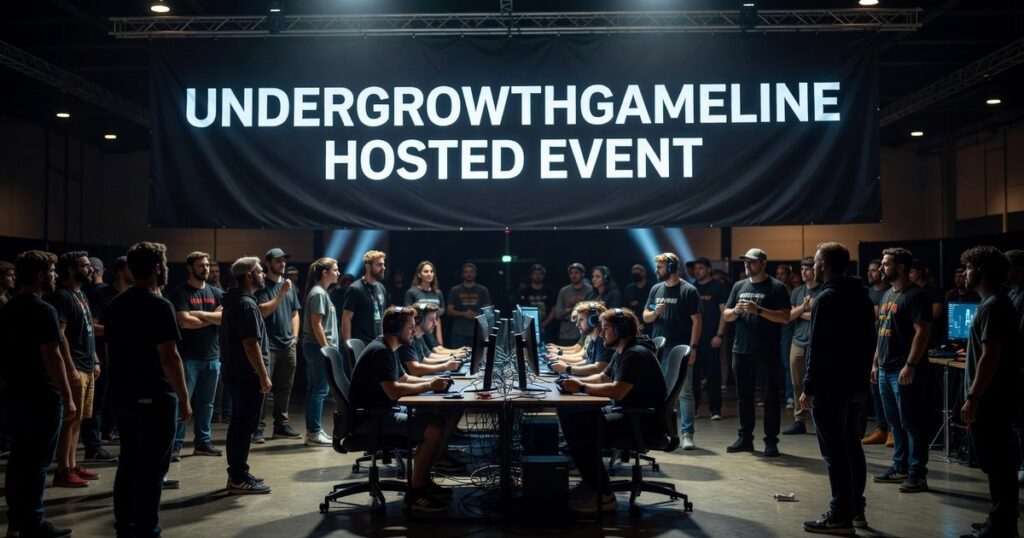
I’ve run enough gaming events to know that the idea sounds way more fun than the actual planning part.
You love Undergrowth. You want to bring players together in person. But the second you start thinking about logistics, your brain shuts down.
Where do you even start? How many tables do you need? What if nobody shows up? What if too many people show up?
I’ve been tracking what makes gaming events work (and what makes them crash and burn). The successful ones follow a pattern. The disasters? They skip the basics.
This guide walks you through hosting your first undergrowthgameline hosted event. Whether you’re planning a casual meetup or a full tournament, you’ll get a clear checklist that covers everything.
We’ve analyzed community gatherings across different game lines. We know what players expect and what organizers forget.
You’ll learn how to set up your space, promote your event, handle registration, and run smooth matches. No guesswork.
By the end, you’ll have a step-by-step plan you can actually follow. Not theory. Real actions you can take this week to make your event happen.
Phase 1: The Blueprint – Planning Your Undergrowth Gathering
You can’t just throw controllers at people and call it a tournament.
I learned that the hard way when I tried hosting my first undergrowthgameline hosted event back in 2019. Showed up with three consoles, no plan, and a vague idea that “people would just figure it out.”
They didn’t.
Define Your Event’s Mission
What are you actually trying to do here?
Some people say every gaming event needs to be this massive competitive showdown. Like you’re running EVO in your basement. But that’s not realistic for most of us.
Maybe you want a hyper-competitive tournament where the best players battle it out. Or maybe you’re showcasing a new Undergrowth title and you just want people to try it. Could be you’re going for a casual meet-and-play where winning doesn’t matter as much as hanging out.
Your goal changes everything else. The format, the venue, how much you spend.
Choose the Right Format
Not every game works with the same tournament structure.
For fast-paced Undergrowth titles, a Double Elimination bracket makes sense. You lose twice and you’re out. Keeps things moving. (Kind of like March Madness but with fewer upsets and more trash talk.)
Strategic games? Swiss-style tournaments work better. Everyone plays multiple rounds no matter what. Nobody sits around watching after one bad match.
Venue & Logistics
Where are you doing this?
Your options are pretty simple. Home setup, local game store, or you rent a community space. Each one has trade-offs.
Home is cheap but cramped. Game stores have the vibe but might charge you. Community spaces give you room but you need to haul everything there.
Check the basics before you commit. Reliable internet. Enough power outlets. Screens that actually work. And yeah, what it costs.
Budgeting for Success
Make a simple budget before you do anything else.
Venue fees if you’re renting. Food and drinks because people get hungry. A prize pool, even if it’s just $50 or some gift cards. Maybe equipment rentals if you don’t own enough gear. When planning your next gaming event, don’t forget to factor in essential elements like venue fees, food and drinks, and even a prize pool to attract participants, especially if you’re aiming to feature popular titles from the Undergrowthgameline. When organizing your next gaming event, ensure you include crucial aspects like venue fees and food, especially if you’re planning a competitive tournament along the lines of the popular Undergrowthgameline.
Small prizes matter more than you think. I’ve seen people fight harder for a $20 Steam card than they would for bragging rights alone.
Write it down. Add 20% for stuff you forgot. That’s your real number.
Now you’ve got a plan that won’t fall apart when the game event of the year undergrowthgameline actually starts.
Phase 2: The Arsenal – Tech, Gear, and Game Settings
Nothing kills the vibe of an undergrowthgameline hosted event faster than a controller that drifts mid-match.
Trust me on this one.
You can have the best bracket system and the most hyped players in town. But if your tech setup falls apart? Everyone goes home talking about lag instead of that insane comeback in round three.
Here’s what you actually need to pull this off.
The Core Tech Checklist
Start with the basics. You need enough consoles or PCs for every station you’re running. Sounds obvious but I’ve seen people try to hot-swap systems between matches (it never works).
Get low-latency monitors or TVs. The difference between 1ms and 20ms response time matters when you’re playing at a competitive level.
And controllers. Buy extras. Someone will show up with a busted D-pad or claim their controller “feels weird.” Having backups saves you from becoming a tech support desk.
Test everything the night before. Not the morning of. The night before.
Optimizing Controller Setups
This is where things get interesting.
Some players swear by high sensitivity. Others play like they’re defusing a bomb with every stick movement. You can’t please everyone but you can set standards.
Create a house rules sheet. List out recommended sensitivity settings and button layouts. If certain in-game options break competitive balance, restrict them. Put it in writing so nobody can say they didn’t know.
The goal isn’t to make everyone happy. It’s to make things fair.
Network Stability is Non-Negotiable
Wi-Fi is your enemy. I don’t care if your router cost more than your console.
Wired ethernet connections win every time. Lower latency, fewer dropouts, and zero excuses when someone loses.
Run a stress test before event day. Load up your network with multiple matches running at once. If it buckles under pressure during testing, it’ll definitely crash when twenty people are screaming about a last-second knockout.
Game Version & Updates
This one’s simple but people mess it up constantly.
Every console or PC needs the latest version of Undergrowth installed. Check for patches the week before your event, not the morning of when you’ve got players waiting around.
Nothing says “amateur hour” like watching a progress bar crawl across the screen while everyone stares at their phones.
Download everything in advance. Test it. Then test it again.
Because when the brackets start and the matches begin? You want to be watching great gameplay, not troubleshooting why Station 3 won’t connect. To ensure you don’t miss a moment of the thrilling action, make sure your setup is flawless before diving into the Undergrowthgameline Online Event, because once the brackets start and the matches begin, you’ll want to focus on the gameplay, not troubleshooting connectivity issues. …preparing your gaming environment will ensure you can fully immerse yourself in the excitement of the Undergrowthgameline Online Event without any interruptions.
Phase 3: The Hype – Promoting Your Event & Attracting Players

You’ve got the venue. You’ve got the games ready.
Now comes the part most people mess up.
Promotion.
I’ve seen too many undergrowthgameline hosted events fail because the organizer assumed people would just show up. They don’t. You need to tell them why they should care.
Start with a clear announcement. One post with everything someone needs to know:
- Date and time
- Venue address
- Entry fee (or that it’s free)
- What game you’re running
- Tournament format
- Prize details
Don’t make people hunt for information. Put it all in one place.
Now here’s where my opinion differs from most tournament guides. They’ll tell you to blast your event everywhere. I say that’s a waste of time.
Target the right channels instead. Find where your players actually hang out. Local gaming Discords are gold. Undergrowth-specific subreddits work if you’re not spammy about it. Facebook gaming groups still matter more than people admit.
Quality beats quantity every time.
Set up a registration system next. Google Forms works fine if you’re on a budget. Tournament platforms are better if you want to look professional. Either way, you need sign-ups. It’s the only way to know if five people are coming or fifty.
Then build momentum. Post reminders the week before. Share photos of your venue setup or the prizes you’re giving away. Make people feel like they’re missing out if they don’t come.
The goal isn’t just filling seats. It’s creating buzz.
Phase 4: Game Day – Executing a Flawless Event
You’ve done the prep work. Now comes the part where everything either clicks or falls apart.
Game day.
I’ve run enough tournaments to know that even perfect planning can go sideways in the first 15 minutes if you don’t execute well. One confused player, one unclear rule, one delayed match, and suddenly you’re an hour behind schedule.
Some organizers say you should just let things flow naturally. They think rigid structure kills the vibe and makes events feel too corporate. And sure, nobody wants to feel like they’re at a military drill.
But here’s what I’ve learned after years of running undergrowthgameline hosted events.
Structure doesn’t kill fun. Chaos does.
When players don’t know where to go or what’s happening next, they get frustrated. When matches run late and people miss their bracket calls, they get annoyed. That’s when the atmosphere turns sour.
Start with a solid check-in process. Set up a dedicated station near the entrance. I usually get there 90 minutes early (yeah, it’s early, but it matters). Have a printed roster and check people off as they arrive. Use Challonge or Battlefy to generate your brackets. These tools update in real time and save you from manually tracking 32 different match results on paper.
Before the first game starts, gather everyone together.
This is your pre-game briefing. Go over the core rules in under five minutes. Cover the match reporting procedure. Explain your code of conduct. Make it clear and make it quick. I’ve found this simple step prevents about 90% of disputes that would otherwise eat up your time later.
Time management separates good events from mediocre ones. Stick to your schedule. Call matches five minutes before they’re supposed to start. If players aren’t at their station when the match begins, you need a clear policy (I usually give a two-minute grace period, then it’s a forfeit).
Here’s something most guides won’t tell you.
The undergrowthgameline online event format taught me that eliminated players need something to do. Set up casual stations where people can keep playing after they’re knocked out. This keeps the energy up and prevents half your crowd from leaving early.
Watch the room. If you see someone sitting alone looking lost, check in with them. If two players are getting heated over a ruling, step in before it escalates. As we gather for the much-anticipated Game Event of the Year Undergrowthgameline, remember that fostering a positive atmosphere by checking in on fellow players can enhance everyone’s experience. As we prepare for the Game Event of the Year Undergrowthgameline, let’s ensure that everyone feels included and valued by actively checking in on those around us.
The best tournaments I’ve run weren’t the ones with the biggest prizes. They were the ones where players left saying they had a good time, win or lose.
That’s what you’re building toward.
Build Your Community, One Match at a Time
You now have everything you need to host a memorable undergrowthgameline hosted event.
I know event planning feels overwhelming at first. You’re worried about missing something or watching your tournament fall apart.
But you just walked through the complete framework. From your initial idea to the final match.
The intimidating parts are gone. You’ve got simple phases to follow instead of a mountain of guesswork.
This structured approach works because it covers all your bases. Technical setup, promotion, logistics. Everything that makes the difference between chaos and a smooth competitive gathering.
Here’s what you do next: Start small.
Gather a few friends this weekend. Run a mini-tournament using what you learned here. Test the format and see what works for your group.
That’s how you build a local Undergrowth scene. One small event at a time.
Your community is waiting. They just need someone to bring them together.
That someone is you. Homepage.