
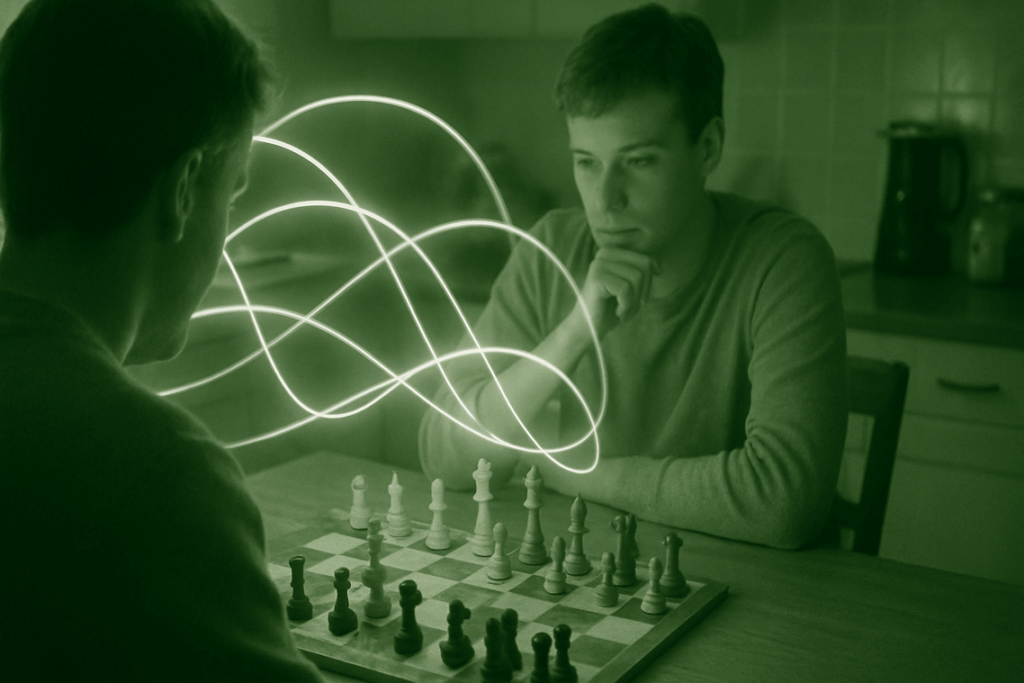
If you’ve been trying to understand how modern games balance challenge, immersion, and competition, you’re likely searching for clarity around single-player vs multiplayer mechanics and how each shapes the overall experience. The differences go far beyond playing alone or with others—they influence progression systems, difficulty scaling, narrative depth, player psychology, and even controller setup decisions.
In this article, we break down the core mechanical distinctions that define both modes, from AI-driven encounters and scripted storytelling to real-time coordination and competitive balancing. You’ll see how design choices impact pacing, strategy, and long-term engagement—and why certain mechanics thrive in one format but fail in the other.
Our analysis draws from current gameplay trends, developer insights, and hands-on evaluation of emerging titles across genres. Whether you’re refining your strategy, designing your own game, or simply choosing what to play next, this guide will give you a clear, practical understanding of what truly separates these two experiences.
The Pacing Problem: Scripted Narrative vs. Player-Driven Chaos
Pacing is the invisible hand that controls how a game feels. In single-player titles, developers act like film directors. They choreograph tension through scripted events, quick-time events (QTEs)—timed button prompts during cinematic moments—and handcrafted puzzles. Even “save anywhere” systems or generous checkpoints, like those in Elden Ring (solo play), are pacing tools. They soften frustration and encourage exploration.
Multiplayer games, however, operate on CONTROLLED CHAOS. Here, pacing depends on time-to-kill (TTK)—how fast a player can eliminate another—respawn systems, and objective timers. In Counter-Strike 2, one mistake means sitting out the round. That single-life structure creates intensity through risk.
Here’s the practical takeaway when designing or analyzing single-player vs multiplayer mechanics:
- If it’s single-player: Slow animations, detailed crafting, and deliberate combat can build immersion.
- If it’s multiplayer: Prioritize responsiveness. Inputs must feel instant to maintain fairness.
- Balance risk and downtime: Long respawn timers increase tension but can frustrate.
- Test pacing loops: Run 10-minute playtests and measure idle time versus active engagement.
Some argue that slower systems could work in multiplayer for realism. And occasionally they do—Escape from Tarkov thrives on tension. But data shows competitive players prefer clarity and speed (Nielsen Norman Group research on response times supports the need for immediate feedback under 0.1 seconds).
Pro tip: Record gameplay sessions and track how long players wait versus act. If waiting exceeds 30%, pacing likely drags.
Understanding pacing is central to mastering what is game balance and why it matters.
Design with intention. Chaos should feel earned—not accidental.
The Art of Balance: Power Fantasy vs. Competitive Integrity
When Power Feels Good—and When It Breaks Everything
In single-player games, imbalance can be the point. As one designer once joked at GDC, “If the player doesn’t feel a little BROKEN by the end, we’ve failed.” Skill trees—systems that let players unlock abilities over time—exist to escalate that power. Legendary loot drops, like the explosive Spray n’ Pray in Fallout 4, can trivialize combat. And that’s fine. You’re the only one affected. The power curve—the rate at which a character grows stronger—is designed to tip in your favor.
But shift to multiplayer, and the tone changes fast.
“Why is this gun still in the game?” a frustrated Apex Legends streamer snapped after a tournament loss. In competitive spaces, fairness isn’t optional—it’s foundational. This is where single-player vs multiplayer mechanics diverge sharply.
Core balancing tools include:
- Nerfs: Reducing the power of an overperforming weapon or character.
- Buffs: Increasing the viability of weaker options.
- The Meta: “Most effective tactics available”—the dominant strategy at any given time.
Developers constantly patch games like League of Legends to adjust these variables. Riot Games has stated that frequent balance updates help maintain “competitive integrity” (Riot Dev Blog).
Some argue constant nerfs ruin fun. “Stop touching my main,” players plead online. They’re not wrong—overbalancing can sand down personality. But unchecked dominance is worse. When one strategy becomes mandatory, choice becomes illusion.
Balance, then, isn’t about perfection. It’s about preserving POSSIBILITY without sacrificing FAIRNESS.
The Opponent Factor: Predictable AI vs. Devious Humans
Designing enemies controlled by code is a fundamentally different craft than designing for people. In single-player games, AI runs on scripts—predefined behaviors that create the illusion of intelligence. A telegraphed attack (an obvious visual cue before a powerful move) gives players time to react and learn. In Assassin’s Creed, guards have limited vision cones and looped patrol paths, making stealth a solvable puzzle. Master the pattern, win the encounter. Simple.
Some designers argue modern AI is “unpredictable enough.” With machine learning and adaptive difficulty, they claim bots can mimic humans. Fair point. But even advanced systems rely on boundaries. They don’t tilt, bluff, or panic-buy a risky strategy at 2% health (humans absolutely do).
That’s where multiplayer changes everything. Mechanics like feints, parries, and stuns exist because humans deceive. The crouch button illustrates this gap: against AI, it modifies visibility; against players, it becomes communication, mockery, or a hitbox exploit. These mind games define single-player vs multiplayer mechanics.
Unique edge: designers who account for psychological manipulation—not just balance—create longer-lasting metas. Pro tip: if your mechanic can’t be counter-played creatively, it won’t survive competitive communities.
Environmental design taught me humility. I once built a gorgeous campaign level packed with cinematic set pieces and secret collectibles, assuming players would follow my intended path. They broke it in minutes. In contrast, my first competitive map collapsed because sightlines favored one team, turning matches into spawn traps. That failure clarified the difference between single-player vs multiplayer mechanics. Single-player worlds reward spectacle, while multiplayer maps demand balance, choke points, fair cover, and readable flow. Underline
• Test relentlessly with real players
• Prioritize clarity over visual flair
Great arenas feel invisible, like a sport, not a Michael Bay finale.
While single-player mechanics often foster deep emotional narratives that resonate with players, multiplayer dynamics create vibrant communities that echo the same nostalgic charm found in retro indie games, as explored in our article on the pixel art revival – for more details, check out our Pixel Art Revival: Why Retro Indie Games Are Thriving.
Level Up Your Strategy Today
You came here to better understand how single-player vs multiplayer mechanics shape your gaming experience—and now you have the clarity to approach both with purpose. Whether you’re optimizing solo progression systems or refining team-based tactics, you can see how each mechanic influences pacing, difficulty, and long-term engagement.
The frustration of feeling stuck, outplayed, or mechanically overwhelmed doesn’t have to hold you back. When you understand how these systems work, you stop reacting and start strategizing.
Now it’s time to put that knowledge into action. Explore new titles with a sharper eye, refine your builds, adjust your controller setup, and test smarter multiplayer strategies. Thousands of competitive and casual players rely on our insights to sharpen their edge and stay ahead of evolving trends.
Don’t just play—play smarter. Dive into more expert breakdowns, apply what you’ve learned today, and turn every session into a calculated win.
 andre17 is the kind of writer who genuinely cannot publish something without checking it twice. Maybe three times. They came to trend tracker through years of hands-on work rather than theory, which means the things they writes about — Trend Tracker, Multiplayer Strategy Sessions, Insightful Reads, among other areas — are things they has actually tested, questioned, and revised opinions on more than once.
That shows in the work. andre17's pieces tend to go a level deeper than most. Not in a way that becomes unreadable, but in a way that makes you realize you'd been missing something important. They has a habit of finding the detail that everybody else glosses over and making it the center of the story — which sounds simple, but takes a rare combination of curiosity and patience to pull off consistently. The writing never feels rushed. It feels like someone who sat with the subject long enough to actually understand it.
Outside of specific topics, what andre17 cares about most is whether the reader walks away with something useful. Not impressed. Not entertained. Useful. That's a harder bar to clear than it sounds, and they clears it more often than not — which is why readers tend to remember andre17's articles long after they've forgotten the headline.
andre17 is the kind of writer who genuinely cannot publish something without checking it twice. Maybe three times. They came to trend tracker through years of hands-on work rather than theory, which means the things they writes about — Trend Tracker, Multiplayer Strategy Sessions, Insightful Reads, among other areas — are things they has actually tested, questioned, and revised opinions on more than once.
That shows in the work. andre17's pieces tend to go a level deeper than most. Not in a way that becomes unreadable, but in a way that makes you realize you'd been missing something important. They has a habit of finding the detail that everybody else glosses over and making it the center of the story — which sounds simple, but takes a rare combination of curiosity and patience to pull off consistently. The writing never feels rushed. It feels like someone who sat with the subject long enough to actually understand it.
Outside of specific topics, what andre17 cares about most is whether the reader walks away with something useful. Not impressed. Not entertained. Useful. That's a harder bar to clear than it sounds, and they clears it more often than not — which is why readers tend to remember andre17's articles long after they've forgotten the headline.